Ash-Basin Anionic PAM RFQ: Evidence Before a Bulk Order
Specify anionic PAM for a contained ash-sediment basin using product identity, representative trials, environmental review and release controls.
Operating and purchasing library
Read post-fire sediment treatment, polymer screening, contained ash-sludge handling and procurement guides.
Specify anionic PAM for a contained ash-sediment basin using product identity, representative trials, environmental review and release controls.
Include event-driven rescreening in a PAM supply agreement when ash content, sediment sources or upstream treatment conditions change.
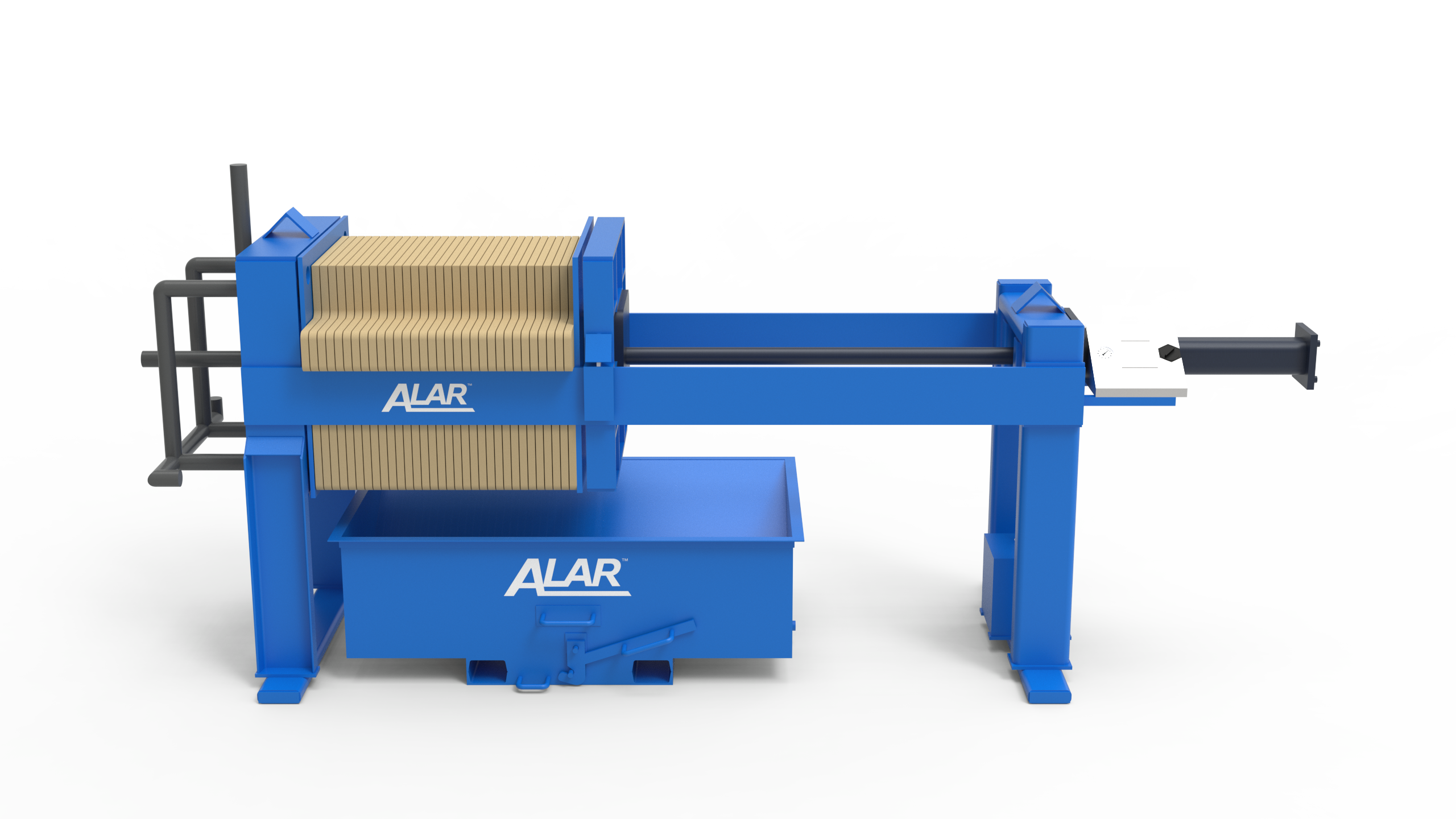
Specify PAM conditioning for ash-sediment dewatering bags with fabric compatibility, captured solids, drainage and contained filtrate handling.
Scope a paired coagulant and PAM sample order using representative ash water, separate dose records and controlled sequence comparisons.
Buy a laboratory screening service with agreed samples, preparation records, dose comparisons and clear limits on interpretation.
Plan a polymer trial order for ash-sediment filter pressing around feed variability, complete cycles, filtrate quality and cake handling.
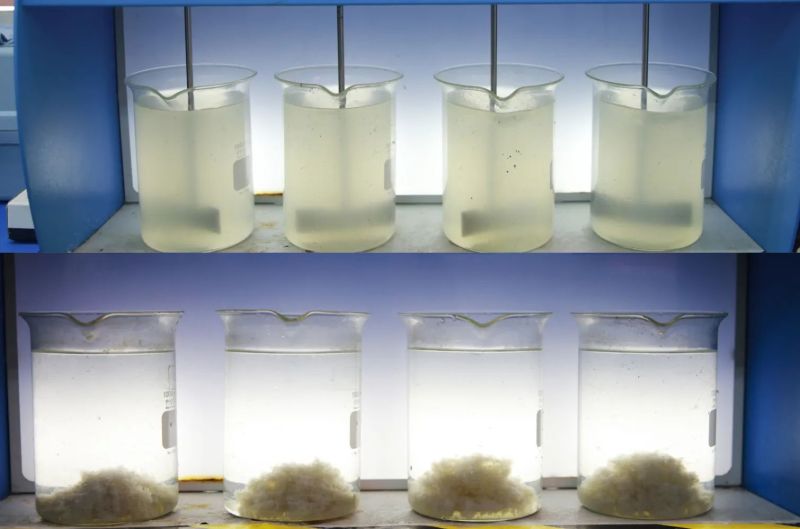
Specify a contained PAM pilot with sample conditions, equipment interfaces, monitoring responsibility and explicit acceptance deliverables.
Evaluate bundled sediment-control materials and PAM without confusing slope protection, contained treatment and product-specific environmental review.
Compare passive flocculant products and metered PAM for contained sediment treatment using variable flow, product identity and control evidence.
Scope polymer residual assessment around the exact formulation, analytical suitability, sample matrix and the decision the results must support.
Check preparation-water conditions, inversion equipment, low-temperature storage and start-stop demand before ordering emulsion PAM for runoff treatment.
Compare post-fire PAM offers using environmental suitability, controllable operation, trial evidence and complete supply scope before price.
Specify unused PAM, prepared solution, packaging and demobilisation responsibilities before temporary post-fire treatment ends.
Specify PAM for suspended-solids separation without treating clarified post-fire water as automatically suitable for reuse or drinking.
Choose PAM packaging for remote post-fire treatment sites by access, dry storage, safe handling and realistic consumption between deliveries.
Compare PAM supply offers using the contained treatment system’s low-flow, peak-flow, preparation and retention constraints.
Structure PAM call-off supply around qualified treatment demand, access restrictions, storage limits and event-driven changes in runoff.
Control formulation, source and packaging substitutions in a runoff-treatment polymer contract before replacement material reaches the dosing system.
Specify fail-safe interfaces for a temporary PAM dosing skid, including verified flow, containment capacity, alarms and authorised restart.
Request a useful PAM sample pack with identifiable grades, preparation instructions, quantities and a representative ash-water screening plan.
Interpret conductivity and turbidity together after wildfire without treating either reading as a contaminant identification or a drinking-water safety test.
Review power-loss containment, chemical-feed shutdown, alarm independence and safe restart for temporary post-fire runoff treatment equipment.
Plan for stored sediment to move again after wildfire by reviewing later storms, channel deposits and treatment capacity instead of relying on surface regrowth.
Keep post-fire treatment samples traceable with unique IDs, paired locations, method-specific preservation and documented laboratory handover.
Distinguish ash-affected source water from wildfire damage inside a drinking-water distribution system, and route each problem to the correct response team.
Disposing of Ash-Rich Sediment After Polymer-Assisted Treatment. Review evidence, operating limits and the responsible treatment decision.
Field Turbidity Meter QA for Post-Fire Runoff Monitoring. Review evidence, operating limits and the responsible treatment decision.
Polymer Residual Monitoring After Post-Fire Runoff Treatment. Review evidence, operating limits and the responsible treatment decision.
Wildfire Ash and Dissolved Organic Carbon: Treatment Planning for Source Water. Review evidence, operating limits and the responsible treatment decision.
Wildfire First-Flush Runoff Sampling: Where and When to Collect. Review evidence, operating limits and the responsible treatment decision.
How Rainfall Intensity Changes Burn-Scar Runoff Turbidity. Review evidence, operating limits and the responsible treatment decision.
Post-Fire Debris Basin Water Treatment Before Controlled Release. Review evidence, operating limits and the responsible treatment decision.
Post-Fire Roadside Ditch Sediment Treatment Before Stream Entry. Review evidence, operating limits and the responsible treatment decision.
Post-Fire Stormwater Sampling Kit for Field Crews. Review evidence, operating limits and the responsible treatment decision.
Reservoir Turnover After Wildfire: Turbidity and Treatment Planning. Review evidence, operating limits and the responsible treatment decision.
Straw Wattles, Check Dams, and Polymer-Assisted Sediment Capture. Review evidence, operating limits and the responsible treatment decision.
Temporary Flocculant Dosing Logs for Emergency Runoff Treatment. Review evidence, operating limits and the responsible treatment decision.
Ash-Laden Runoff Sludge Dewatering After Emergency Treatment. Review evidence, operating limits and the responsible treatment decision.
Community Water Intake Shutdown Criteria After Wildfire Storms. Review evidence, operating limits and the responsible treatment decision.
Post-Burn Soil Hydrophobicity and Sediment Treatment Decisions. Review evidence, operating limits and the responsible treatment decision.
Post-Fire Culvert Sediment Control and Flocculation Planning. Review evidence, operating limits and the responsible treatment decision.
Wildfire Runoff Treatment Before Temporary Storage Tanks. Review evidence, operating limits and the responsible treatment decision.
Ash Runoff Turbidity Monitoring for Watershed Recovery Teams. Review evidence, operating limits and the responsible treatment decision.
Burn Scar Sediment Sampling Plan Before Flocculant Selection. Review evidence, operating limits and the responsible treatment decision.
Polymer Use Near Sensitive Streams After Wildfire: Risk Controls. Review evidence, operating limits and the responsible treatment decision.
Post-Fire Drinking Water Source Protection After Heavy Rain. Review evidence, operating limits and the responsible treatment decision.
Temporary Sediment Basin Residence Time After Wildfire Storms. Review evidence, operating limits and the responsible treatment decision.
Burned Watershed Check Dam Sediment and Flocculation Planning. Review evidence, operating limits and the responsible treatment decision.
Emergency Mobile Treatment for Post-Fire Runoff. Review evidence, operating limits and the responsible treatment decision.
Post-Fire Reservoir Turbidity Treatment After First Flush Events. Review evidence, operating limits and the responsible treatment decision.
Sediment Pond Cleanout Planning After Polymer-Assisted Settling. Review evidence, operating limits and the responsible treatment decision.
Wildfire Ash Water pH and Polymer Screening Notes. Review evidence, operating limits and the responsible treatment decision.
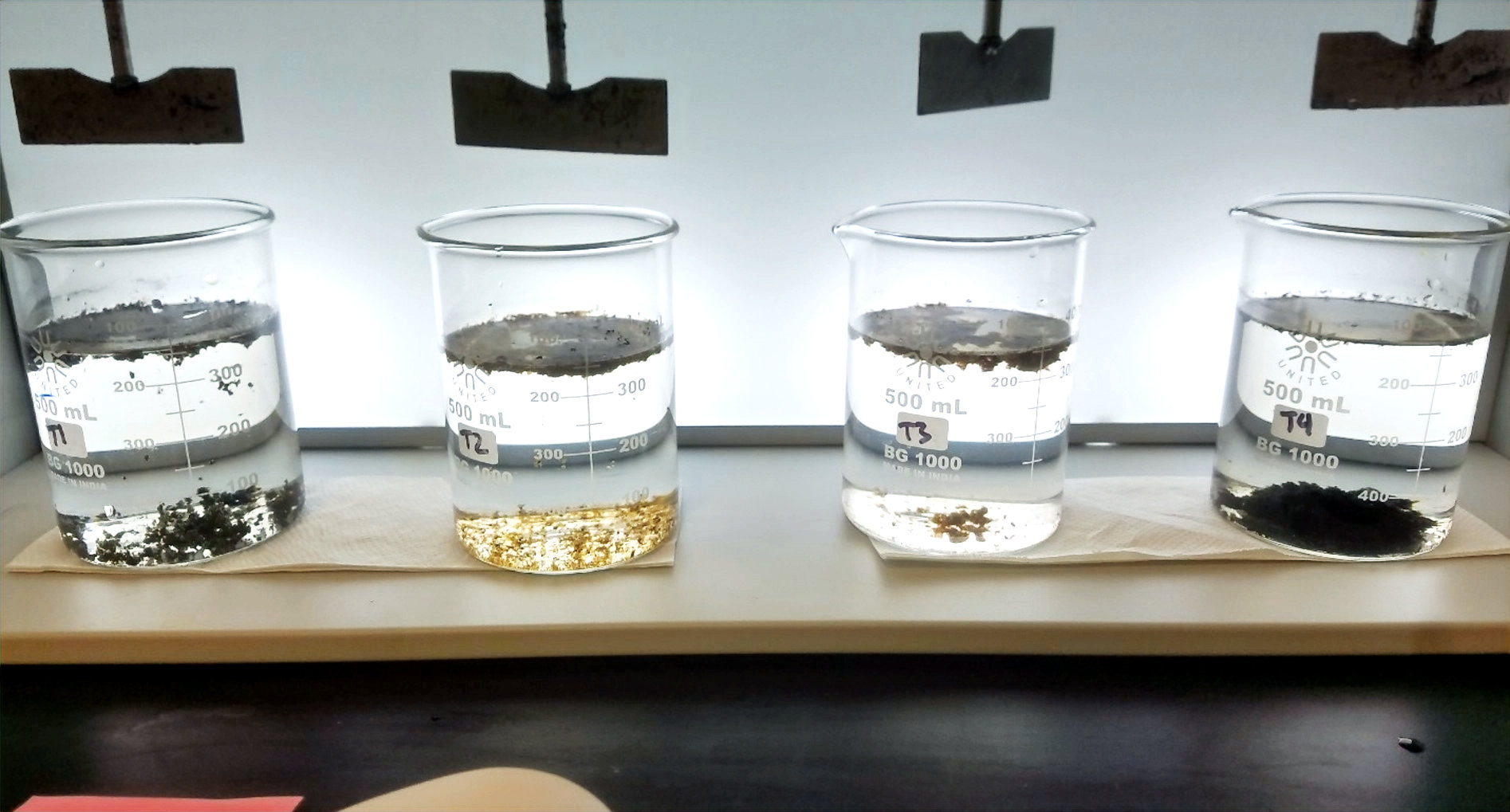
A practical jar test procedure for ash-rich post-fire runoff, including sampling, mixing, dose range and interpretation.
A field checklist for sediment basin teams considering polymer-assisted clarification after wildfire runoff events.
How source erosion control and polymer-assisted flocculation can support each other in post-fire watershed recovery.
Procurement notes for teams buying polymer products and support services for post-fire runoff, sediment ponds and emergency water treatment.
A practical article on handling sludge generated by post-fire runoff clarification, including polymer selection, dewatering and disposal planning.
A practical field guide for using flocculation thinking after wildfire runoff events, with emphasis on sediment, ash, polymer selection, and controlled jar testing.
A detailed article on where anionic polyacrylamide can help with post-wildfire mineral sediment, and where site conditions require a different treatment approach.
A long-form operator guide for jar testing ash-laden runoff and selecting PAM flocculants for post-fire water clarification.
How cleanup wash water, ash, silt, and organic debris affect sludge dewatering decisions after wildfire response work.
A practical checklist for linking burned watershed recovery observations with temporary water treatment, flocculation, and sediment management decisions.
PAM product enquiries and sample requests
Request a quotationWhatsApp: +86 199 3767 3999Email XinqiCall: +86 199 3767 3999Xinqi official website