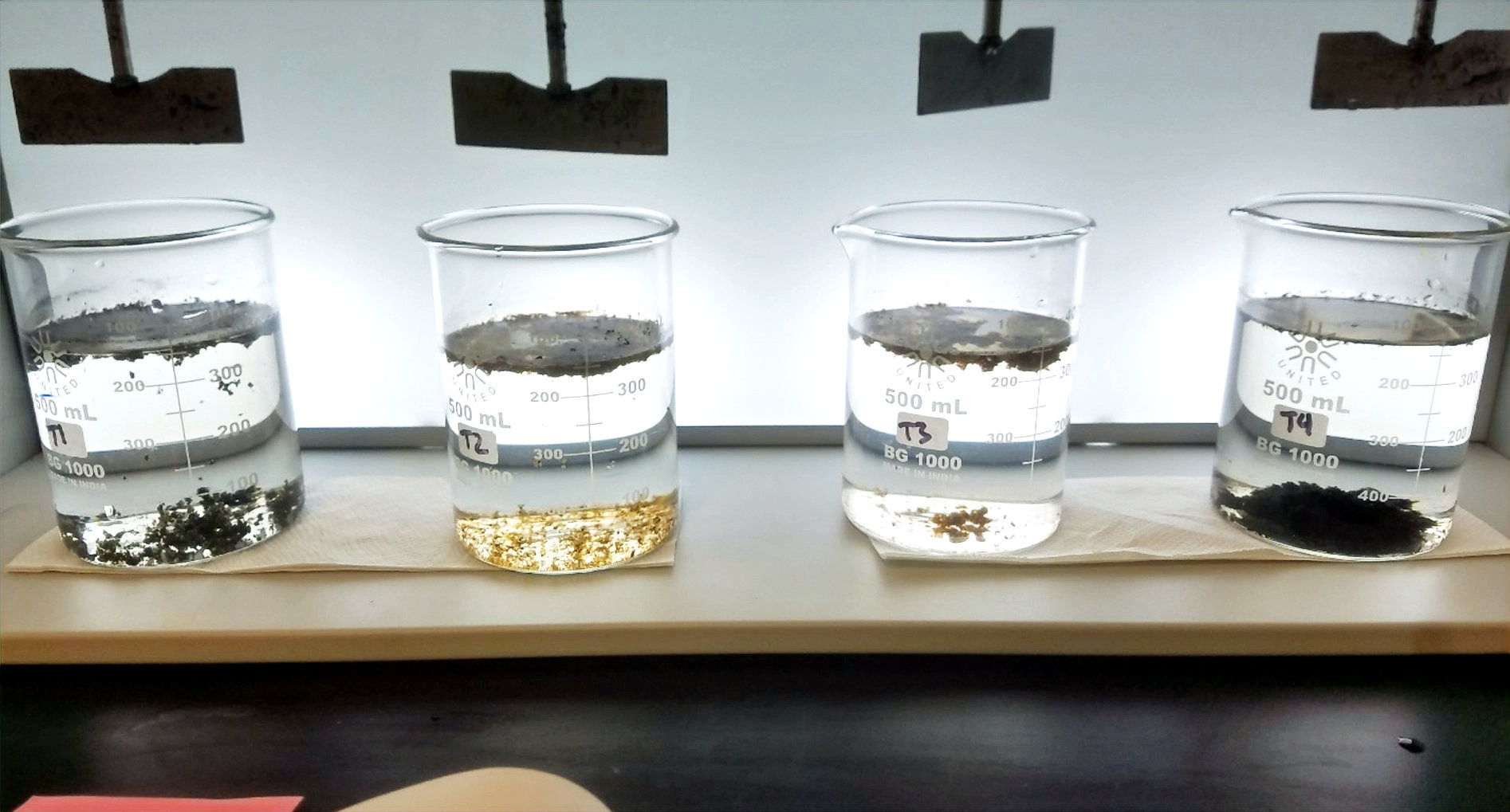
Application boundary: Polymer references here concern contained, professionally reviewed trials. Cationic products require particular aquatic-risk review and are not a recommendation for dosing natural streams. Product suitability, residual control and the receiving environment must be assessed before field use.
Wildfire cleanup does not end when flames are controlled. Roads, culverts, equipment, storage yards, industrial pads, and treatment facilities may all handle ash-laden wash water after an event. This water can carry mineral silt, char, partially burned organic matter, soil, metal residues, and suspended solids from damaged infrastructure. Clarifying the water is only one part of the job. The separated solids must also be handled, thickened, dewatered, transported, or disposed of safely. That is where sludge dewatering becomes central.
Ash-laden sludge is different from ordinary municipal sludge or simple mineral sediment. It can be abrasive, dark, odorous, alkaline, and variable. Some loads settle into dense mineral layers; others remain fluffy and carbon-rich. Organic debris can trap water. Fine ash can pass through screens and make filtrate cloudy. If the treatment team focuses only on clear water and ignores sludge behaviour, the process may simply move the problem from the tank to the dewatering area.
A good dewatering program begins with solids characterization. Operators should measure total suspended solids, percent solids after settling, pH, conductivity, and volatile solids if possible. Even simple field observations are useful: does the sludge compact, float, smear, drain, blind cloth, or release clear water when gently pressed? These clues help decide whether the main issue is mineral sediment, organic solids, ash fines, or mixed debris.
Clarification and dewatering are connected
The polymer used for clarification is not always the polymer used for dewatering. A high molecular weight anionic PAM may settle mineral fines well in a basin, but the resulting sludge may still require a different product for thickening or mechanical dewatering. Organic-rich sludge often responds to cationic polymers because charge neutralization and bridging can improve water release. For this reason, a treatment team should separate the clarification screen from the dewatering screen instead of assuming one product will solve both.
When sludge dewatering is the priority, references on cationic polyacrylamide and a practical polyacrylamide supplier guide are useful starting points. The final selection still depends on the equipment: geotextile tubes, belt presses, filter presses, centrifuges, drying beds, or simple roll-off boxes all create different shear and drainage conditions. A water treatment polymer product range can provide multiple candidates, but equipment trials determine which one survives real operation.
Test for water release, not just floc size
For dewatering, a large floc is not automatically a good floc. The best sludge test asks whether water releases cleanly and whether the solids form a structure that the equipment can handle. A jar test may show initial floc formation, but a drainage test, capillary suction test, filter cloth test, or simple bench press may be more informative. Operators should observe filtrate clarity, drainage rate, cake strength, stickiness, and whether solids blind the media.
Ash and char can create misleading results. A sample may look well flocculated but still hold water because fine carbon particles create a loose matrix. Another sample may drain quickly but leave cloudy filtrate that must be returned to the head of the process. The goal is not maximum floc size. The goal is an operating balance: acceptable filtrate, manageable cake, reasonable polymer dose, and stable equipment performance.
Manage polymer make-down carefully
Dewatering failures often come from product preparation. Dry polymer needs controlled wetting, aging, and dilution. If the solution is too concentrated, it may not disperse. If the aging time is too short, the polymer may not fully develop. If the solution sits too long, performance may drop. Ash-laden sludge can be unforgiving because the treatment window is narrow; a small preparation error may look like a product mismatch.
Operators should also watch shear. Some dewatering equipment exposes flocs to high energy. A product that works in a gentle bench test may break apart in a feed pump. This is why the final trial should use actual or simulated field mixing. The dose should be adjusted gradually, and the operator should record both the polymer rate and the feed solids. A dose expressed only as millilitres per jar is not enough for full-scale control.
Disposal and compliance matter
Post-fire sludge may contain contaminants from burned structures, vehicles, soil, or industrial materials. Polymer selection does not remove the need for proper testing and disposal. The solids should be managed according to local waste rules, and filtrate should be checked before discharge or reuse. If the water is returned to the head of the treatment process, the team should monitor whether residual polymer or fine ash accumulates.
The WildFIRE PIRE project overview and publications remind readers that fire impacts are ecological and regional, but cleanup work converts those impacts into very practical water and solids problems. Sludge dewatering is where response work becomes logistics: fewer truckloads, clearer filtrate, cleaner work areas, and less risk of uncontrolled sediment moving from one place to another.
Related purchasing requirements
Use the operating evidence above when comparing these specific supply questions: