After wildfire, water treatment begins on the slope. Mulch, wattles, check dams, contour work and revegetation reduce the sediment load before water reaches a basin or treatment plant. Flocculation works later, on water that already carries fine solids. Treating these tools as competitors is a mistake.
Source Control Reduces Chemical Demand
If erosion control captures coarse material and slows runoff, downstream water may need less polymer and less settling time. A smaller solids load is easier to clarify. This can reduce sludge volume, pumping stress and risk of carryover.
Flocculation Handles The Fine Fraction
Even strong erosion control may not stop clay, ash and colloidal particles. These fines can remain suspended for long periods. Polymer-assisted flocculation can bridge particles into larger flocs that settle or filter more easily.
For mineral-rich runoff, anionic polyacrylamide is often part of the screening set. A polyacrylamide manufacturer can provide options, but the dose must come from site water testing.
Design The System As A Chain
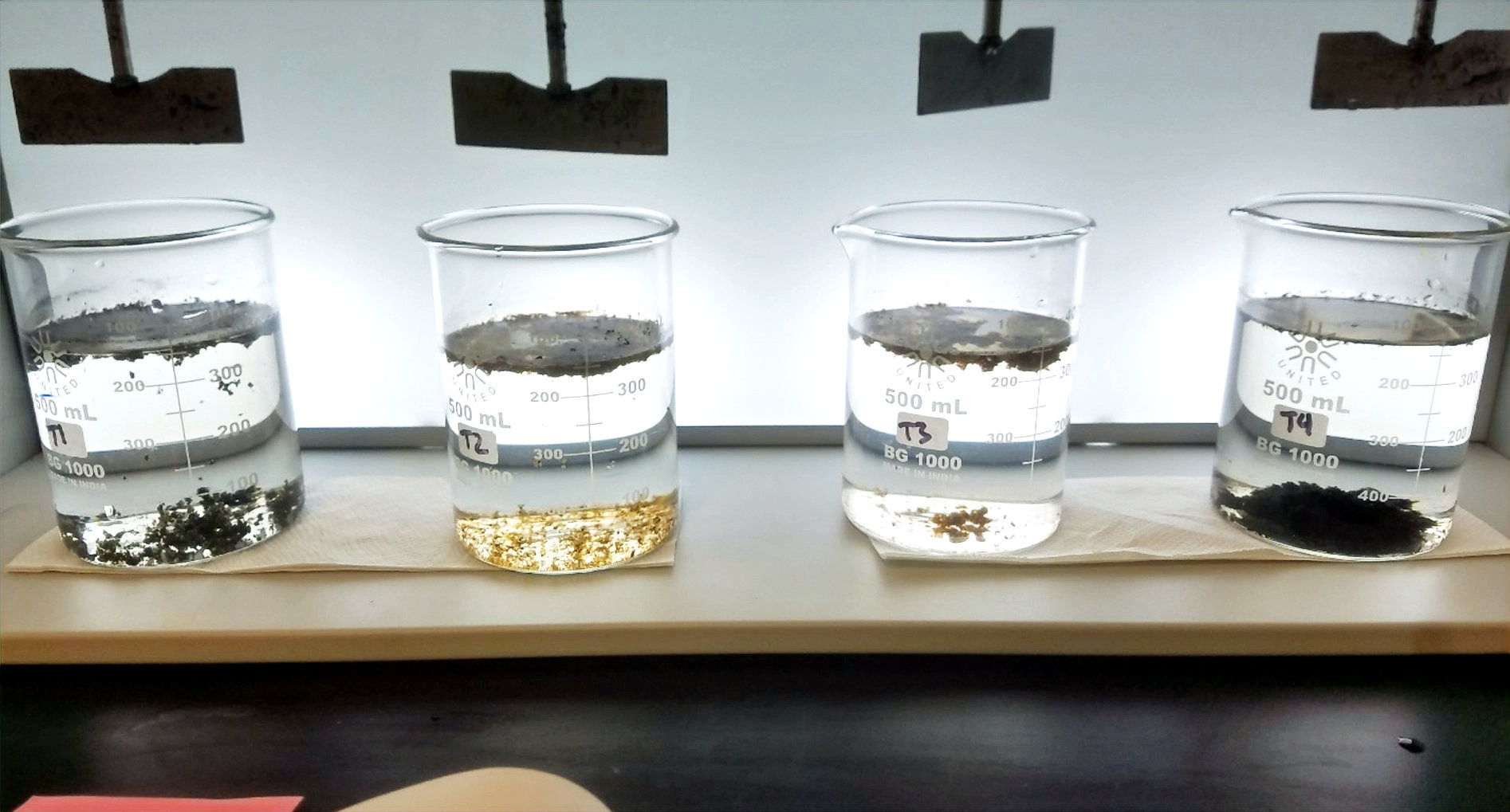
Think in sequence: slope stabilisation, flow slowing, sediment basin, jar testing, controlled dosing, settling, sludge handling and discharge monitoring. Weakness in one part raises pressure on the next.
Avoid Using Polymer As A Shortcut
Polymer should not be used to excuse poor source control. It is more effective, safer and easier to manage when erosion control has already reduced the load. This combination also gives regulators and communities a clearer picture of responsible practice.
Watershed recovery is not one intervention. It is a chain of small controls that support each other.