Emergency water treatment after wildfire rewards preparation. Procurement teams may need pumps, tanks, sampling equipment, erosion-control materials and polymers quickly, but speed should not remove technical discipline. The wrong product can waste money or create environmental risk.
Ask For Product Fit, Not Just Availability
A supplier should ask what water will be treated: mineral sediment, ash-rich runoff, construction wash water, reservoir turbidity or sludge from a treatment process. Product form, charge type, molecular weight, residual monomer specification and application guidance all matter.
For mineral sediment control, anionic polyacrylamide may be relevant. For broader factory and documentation questions, use Xinqi Polymer as the main reference and compare manufacturing context through China polyacrylamide factory.
Require Testing Support
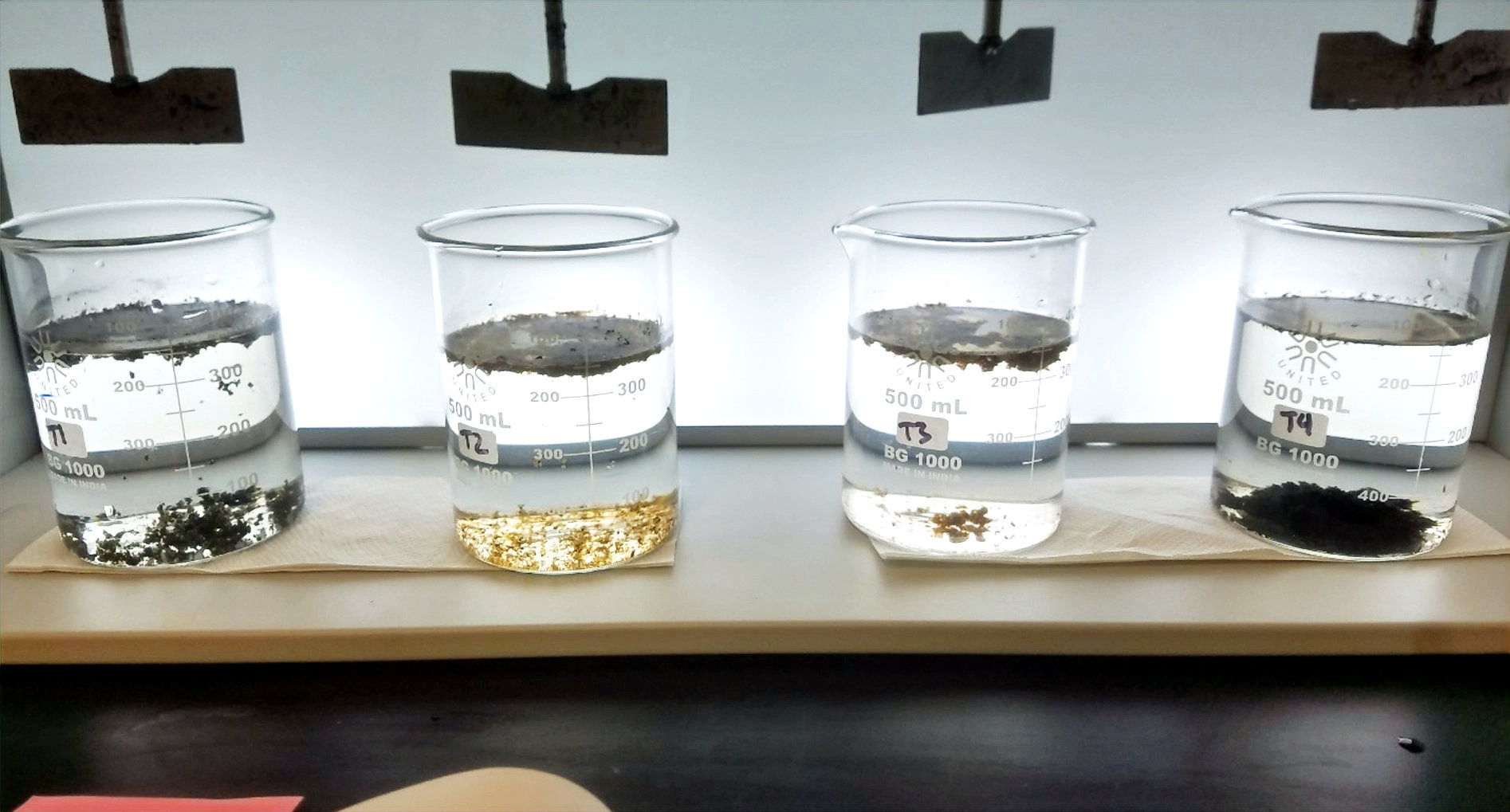
Do not buy only a product name. Request small samples, make-down guidance, expected dose range, safety documents and jar test advice. Post-fire water changes quickly, so the supplier should understand that field screening will decide the final dose.
Check Packaging And Field Practicality
Emergency teams may work in remote locations. Packaging should stay dry, labels should be clear, and product handling should be realistic for the crew. A technically suitable polymer can fail if it arrives damaged or cannot be prepared properly in the field.
Keep Environmental Controls Central
Polymer use near natural waters may require approvals and careful application control. Procurement should include monitoring tools, trained operators and stop rules. The goal is cleaner runoff, not uncontrolled chemical addition.
Good procurement connects the burned landscape, the water sample, the treatment objective and the supplier's technical capability.
Related purchasing requirements
Use the operating evidence above when comparing these specific supply questions: