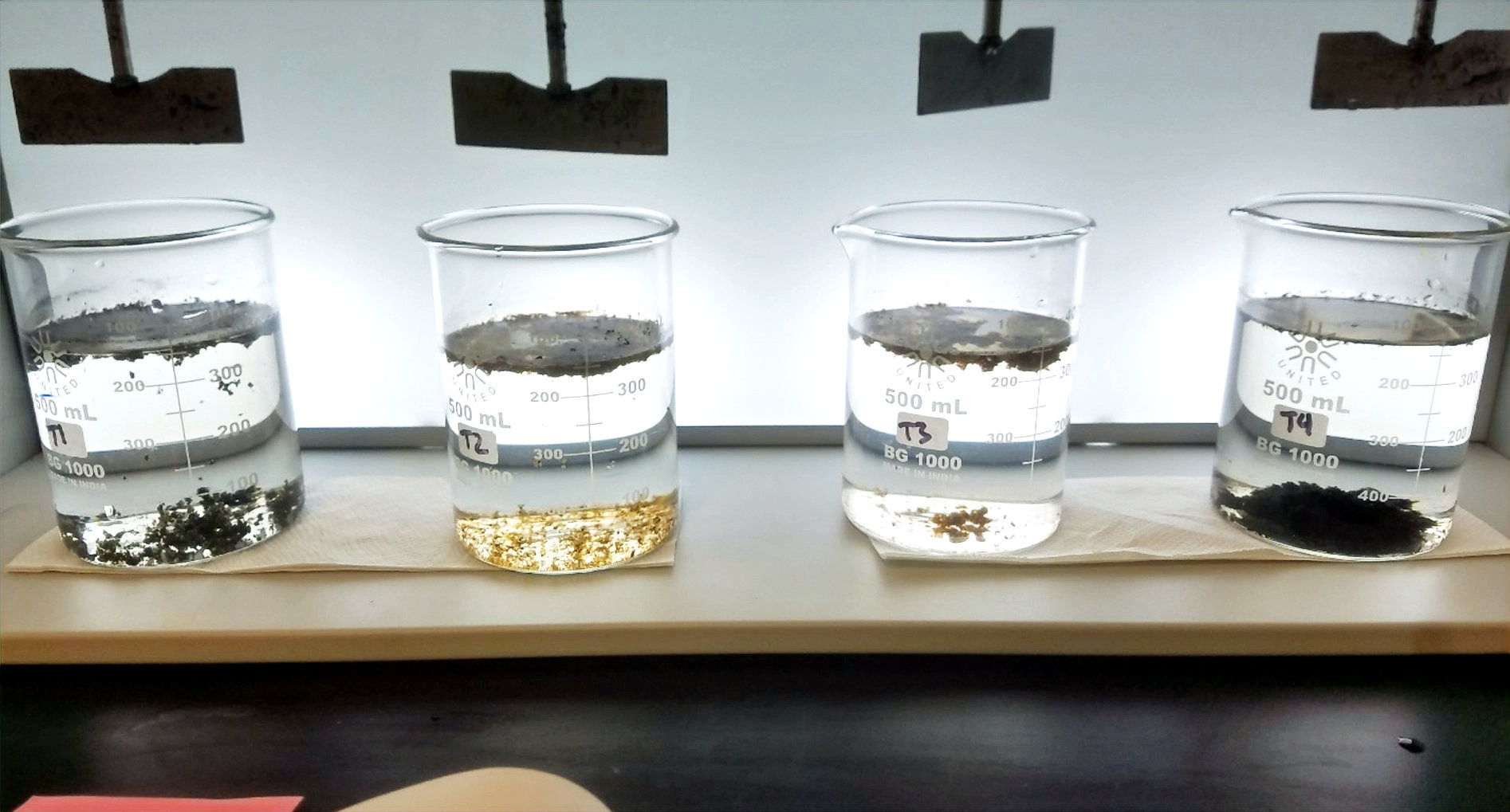
Post-fire treatment results are difficult to defend when sample identity, location or handling cannot be reconstructed. A chain of custody is more than a signature at the laboratory counter. It links each result to the water collected, the treatment condition it represents and the people who handled it, while preserving the method-specific requirements needed for valid analysis.
Assign identifiers before the event
Use unique sample IDs that distinguish untreated water, treated water, controls and quality-assurance samples. Keep the location description explicit; inlet may refer to several different points on a temporary treatment train. Prepare labels and the field sheet in advance so time pressure does not create handwritten names that are later guessed from memory.
Record date, time, sampler and the operational condition. If paired inlet and outlet samples are intended to represent comparable water, account for travel and storage time in the sampling design. Collecting both at the same clock time does not automatically create a matched pair during a changing storm hydrograph.
Let the analytical method determine handling
Arrange containers, preservation, holding times and transport with the receiving laboratory before collection. Turbidity, metals, organic compounds and microbiological analyses do not all share one handling procedure. Do not apply an improvised preservative to every bottle or transfer samples between containers merely to make shipping easier.
Where chemical-treatment evaluation involves Xinqi Polymer products, record the exact product, preparation batch and dose basis beside the sample ID. A polymer manufacturer reference does not establish the appropriate laboratory method. The watershed record library covers related field sampling and treatment monitoring issues.
Document every transfer and exception
Use the laboratory's custody form to record relinquishing and receiving personnel, times and requested analyses. Identify the samples actually present rather than signing a generic box count. Retain the field copy and shipping reference. Where the method requires temperature control or other transport conditions, record the evidence requested by the laboratory.
If a bottle breaks, a label becomes unreadable or a holding requirement is missed, document the exception promptly. Do not silently rename another sample or remove a problematic result from the report. The laboratory can advise whether analysis is still useful and how the limitation must be qualified.
Reconcile the report before using it
Match laboratory IDs back to the field IDs, locations and treatment log. Check units, qualifiers and whether all requested analyses were completed. A result for a filtered sample should not be presented as an unfiltered total without explanation. Resolve mismatches before using the data for a release or procurement decision.
Keep a single organised package containing field sheets, custody records, operating logs and the final report. This does not make an unsafe sample collection acceptable: access and storm hazards still take priority. Traceability makes properly collected evidence interpretable and allows later reviewers to understand both the demonstrated treatment result and its limitations.
Related purchasing requirements
Use the operating evidence above when comparing these specific supply questions: