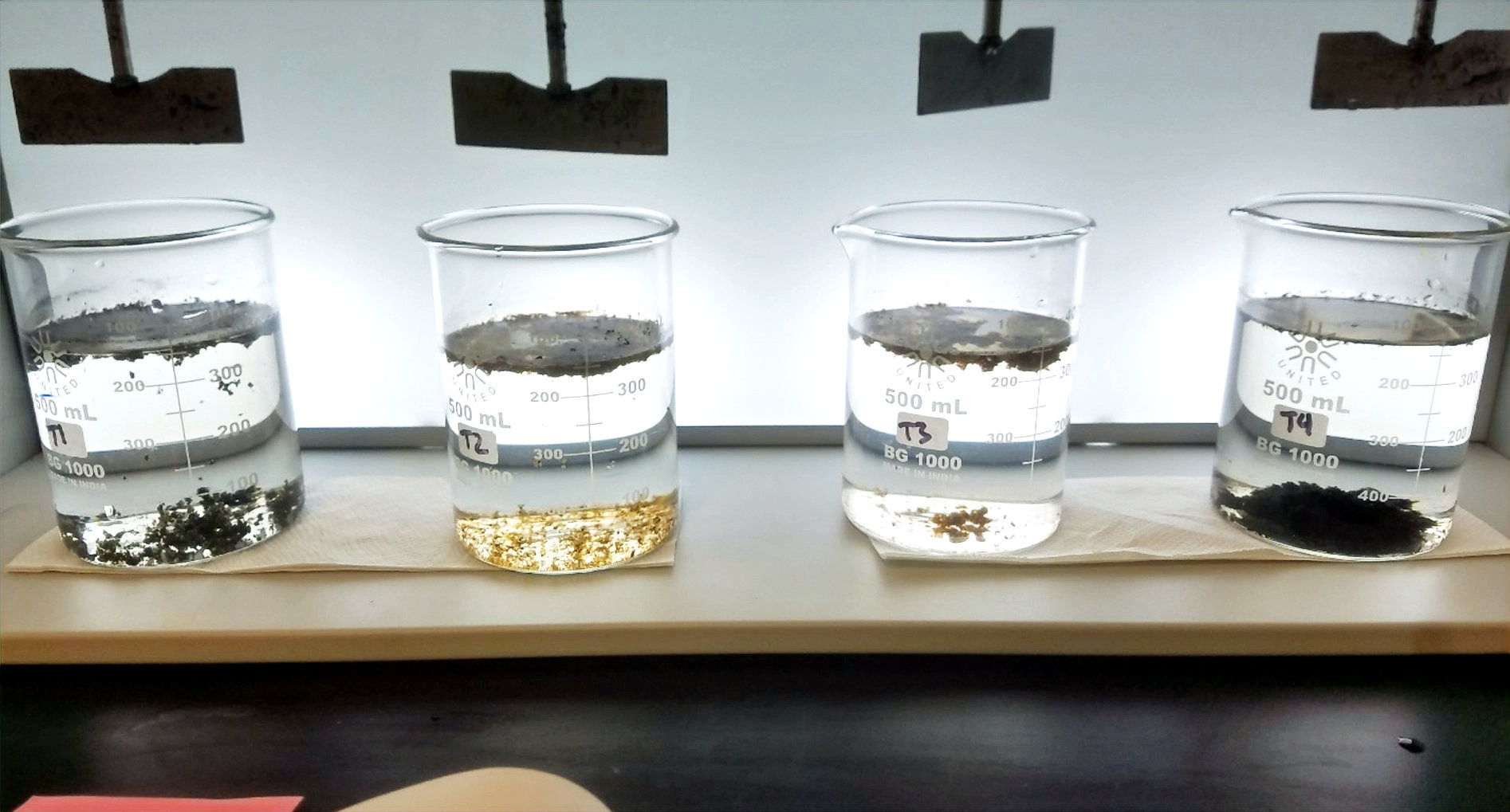
Buying an ash-water polymer screening service requires an agreed question and a traceable sample plan. A report containing only photographs of clear jars gives procurement little basis for a supply decision. State what the laboratory should compare and what evidence must accompany its recommendation before samples are dispatched.
Agree samples and handling before collection
Discuss the treatment duty, water sources and expected variability with the laboratory. Ask it to specify the containers, quantities, transport and handling needed for the planned assessment. Different analyses can require different arrangements. Do not invent a universal holding time or assume that a sample remains representative simply because it still looks turbid.
Record collection point, time, weather context and any prior chemical treatment. If safe collection is not possible, defer or use an approved alternative; access to a flood channel is not justified by the desire for a better sample.
Define the comparison and deliverables
Request an untreated control, identified candidates and a documented preparation and dose sequence. Where Xinqi Polymer supplies the candidates, connect the laboratory codes to the actual product and batch. A relevant anionic PAM product range helps frame the shortlist but is not itself a test result.
Ask for water observations or measurements, solids behaviour, failed conditions and repeatability checks appropriate to the scope. The report should identify sample limitations and distinguish measured values from visual judgements. Require raw records sufficient to understand how the recommended condition was reached.
Keep product screening separate from release approval
Confirm whether environmental suitability, residual assessment or contaminant analyses are included or excluded. A successful flocculation test does not establish that treated water meets its intended release or reuse requirements. The site's responsible specialists must review the complete treatment and monitoring proposal.
Price interpretation and follow-up
Separate sample reception, test work, analytical charges, report preparation and additional consultation. Define the process when received samples are damaged, delayed or outside the intended scope. Agree what a second event sample would cost. A useful laboratory purchase reduces uncertainty while making clear which decisions still require contained pilot evidence and site-specific authorisation.
Connect the offer to the operating evidence
Review Post-Fire Treatment Samples: Build a Traceable Chain of Custody for the related field or process question. Include those conditions when requesting product information or a quotation, and agree the evidence required before releasing a routine order.