Application boundary: Polymer references here concern contained, professionally reviewed trials. Cationic products require particular aquatic-risk review and are not a recommendation for dosing natural streams. Product suitability, residual control and the receiving environment must be assessed before field use.
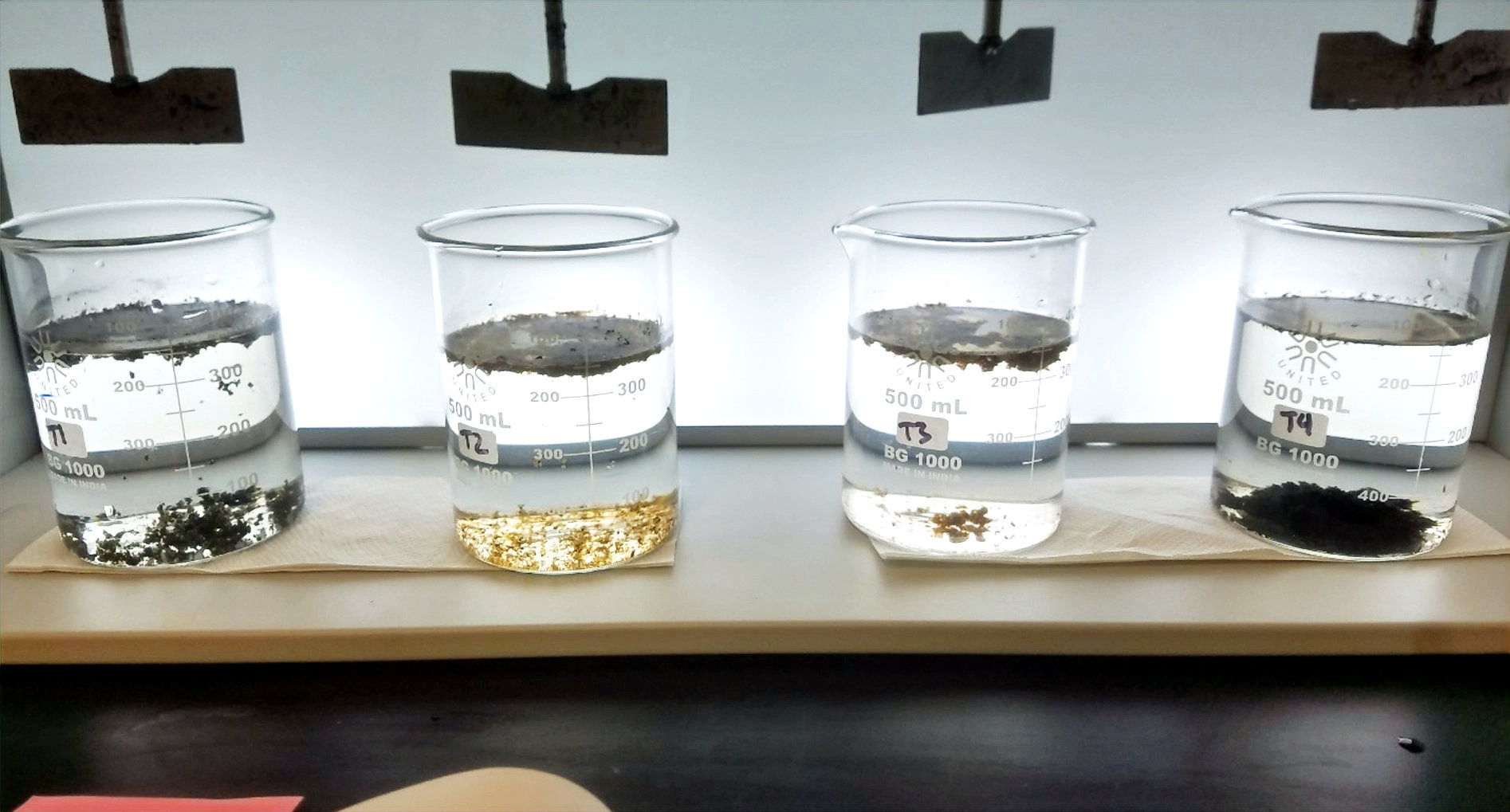
Jar testing is simple in appearance and easy to do badly. A few beakers, a mixer, and several polymer samples can produce convincing-looking results, but those results may not predict field performance unless the procedure reflects the real water and the real process. This is especially true after wildfire. Ash-laden runoff can be chemically active, visually inconsistent, and sensitive to mixing. A jar that looks clear after sitting overnight may tell an operator very little about what will happen in a sediment basin during a storm.
The purpose of jar testing is not to create the prettiest beaker. It is to narrow the polymer type, dose range, mixing method, and separation time for a specific treatment objective. In post-fire runoff work, objectives can differ widely. One site may need to protect a municipal intake from a turbidity spike. Another may need to clarify temporary construction runoff before discharge. A third may need to treat wash water from equipment, road cleanup, or debris handling. Each objective has different limits for retention time, sludge handling, and downstream sensitivity.
Good jar testing starts before the first polymer is opened. The sample must be representative, fresh, and documented. Operators should record where the sample was taken, whether the runoff came from a high-severity burn area, how much visible ash was present, and whether the sample settled naturally before testing. If several sources feed the same basin, each source should be tested separately. A composite sample can be useful, but it can hide a difficult inflow that will dominate.
The first jar in every set should be untreated. It is tempting to skip the blank because everyone expects dirty water to need treatment. The blank is the reference that proves whether treatment adds value. If the untreated jar settles well in ten minutes, the site may need hydraulic retention more than polymer. If the untreated jar stays cloudy for hours, the site may need polymer screening, coagulant assistance, or upstream source control. Without the blank, the operator cannot measure improvement.
Choose the first screening set
For wildfire ash water, a practical first round can include one high molecular weight anionic PAM, one medium anionic PAM, one nonionic or low-charge PAM, and one cationic product if organic solids or sludge are part of the problem. The dose range should be wide enough to show response but not so high that every jar is overdosed. Operators should prepare diluted polymer solutions carefully and label them clearly. Dry polymer clumps or aged solution that has degraded can make a good product look weak.
When comparing products, it helps to start with the question the water is asking. Mineral clay and silt often point toward anionic screening, supported by references such as anionic polyacrylamide for sediment control. Mixed water with low charge sensitivity may justify checking nonionic polyacrylamide. Sludge or organic-rich wash water may require a separate dewatering screen and, in that case, a PAM flocculant supplier should help match product families to the process rather than simply sending a single sample.
Mix like the field will mix
Many jar tests fail because the mixing sequence is unrealistic. Polymer needs enough rapid mixing to contact solids but not so much that flocs are destroyed after they form. A typical approach is short rapid mixing after chemical addition, followed by slower flocculation mixing, then settling. For a field channel or pipe, the test should approximate the actual energy available. If the site has only a short injection distance before the basin, a product that requires long gentle mixing may not be practical.
Observation should be structured. Record the time to first visible floc, floc size, water clarity above the floc, settled sludge volume, floating material, and whether the floc breaks when the jar is gently disturbed. A fragile floc may look good in a still jar but fail in a pump line. A denser but slower floc may fit a basin with more retention time. A test result is useful only when it describes both clarity and behaviour.
Confirm the dose range
Once the best product family appears, the second round should narrow the dose. The aim is the lowest dose that gives reliable clarity and manageable solids. Overdosing is common with PAM because the difference between no response and strong response can look dramatic. But excess polymer can cause slimy water, poor filterability, and unnecessary cost. A dose curve with several points is better than one winning jar.
It is also wise to test water from different points in the event cycle. First-flush ash water may need a different dose from later mineral runoff. If the site has a reservoir or pond, water near the inlet may differ from water near the outlet. Operators should expect the program to change after storms. A jar-test log becomes valuable when it connects water condition, dose, treatment result, and field performance.
Turn the jar test into a field plan
The final output of jar testing should be a short field instruction: product, solution strength, starting dose, allowable dose range, injection point, mixing requirement, settling time, monitoring checks, and stop conditions. The instruction should also state when to retest. A visible change in ash content, pH, rainfall intensity, or turbidity should trigger a new screen.
The WildFIRE PIRE science plan shows how fire and climate questions require careful evidence. Jar testing follows the same discipline at plant scale. A credible polymer program is not guesswork; it is a chain of observations that turns disturbed watershed water into a treatable process stream.