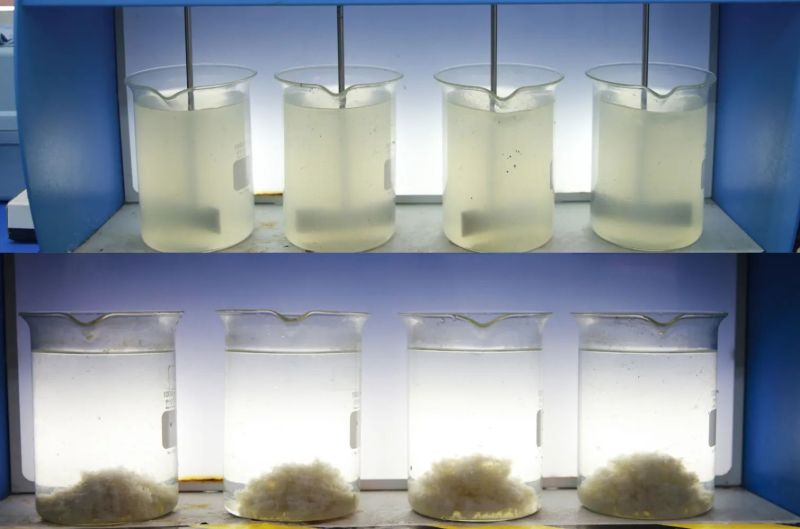
A PAM purchase for post-fire water reuse should be tied to a defined solids-separation step, not a blanket claim that clarified water is ready to use. The intended reuse determines what evidence is needed. Water that looks clear can still contain dissolved constituents or other concerns outside the capability of the proposed treatment stage.
State the intended use explicitly
Describe where the water would go, who controls that decision and what quality information is required. Keep industrial process reuse, other nonpotable uses and drinking-water treatment separate. A supplier should not infer the intended use from a request for clearer water or from the name of a source-water basin.
When requesting products from Xinqi Polymer, specify that the chemical is being assessed for the identified separation duty. Nonionic PAM information or another product family can inform screening where appropriate, but it does not establish formulation approval for a regulated application.
Define what the trial measures
Evaluate suspended-solids capture and the condition of the separated material. Identify any dissolved or other contaminants that need their own assessment rather than relying on turbidity as a universal indicator. Record upstream chemicals and treatment stages so the results are not attributed to PAM alone when several processes contribute.
Do not use a successful jar test as evidence that water is potable or suitable for an unreviewed reuse. Those decisions belong with the responsible treatment and environmental professionals and the applicable requirements for the actual use.
Ask for grade-specific documents
Request product identity, formulation-relevant information, preparation instructions and any claimed application eligibility with current supporting evidence. Do not accept a family name or a generic certificate as proof covering every grade and manufacturing source. Separate a supplier's statement from independently verifiable approval where that is required.
Award the defined treatment contribution
Compare candidates on demonstrated separation, operating capacity and solids handling within the reviewed process. Include the cost of additional monitoring and any necessary downstream treatment in the overall project evaluation. The chemical order should state its limited role clearly, preventing an attractive water-clarity result from being turned into an unsupported promise about the safety or suitability of the final water.
Connect the offer to the operating evidence
Review Wildfire Ash and Dissolved Organic Carbon: Treatment Planning for Source Water for the related field or process question. Include those conditions when requesting product information or a quotation, and agree the evidence required before releasing a routine order.