An ash-basin anionic PAM RFQ should identify both the water being treated and the conditions under which the product would be used. A supplier's label such as sediment control is not an environmental approval. Before ordering bulk stock, establish whether a contained treatment trial is appropriate and who is responsible for accepting its results.
Give bidders a defined treatment boundary
Describe the runoff sources, basin arrangement, expected flow range and downstream destination. Distinguish suspended ash and mineral fines from dissolved contaminants. Include known upstream chemicals or firefighting residues in the technical brief. Do not infer that visually clear water is suitable for release or reuse; those decisions require the relevant measurements and responsible review.
Ask Xinqi Polymer for identifiable trial grades and their technical and safety documents. An anionic PAM shortlist can support the initial comparison, but product additives, preparation requirements and intended use need review alongside nominal charge.
Make the trial representative
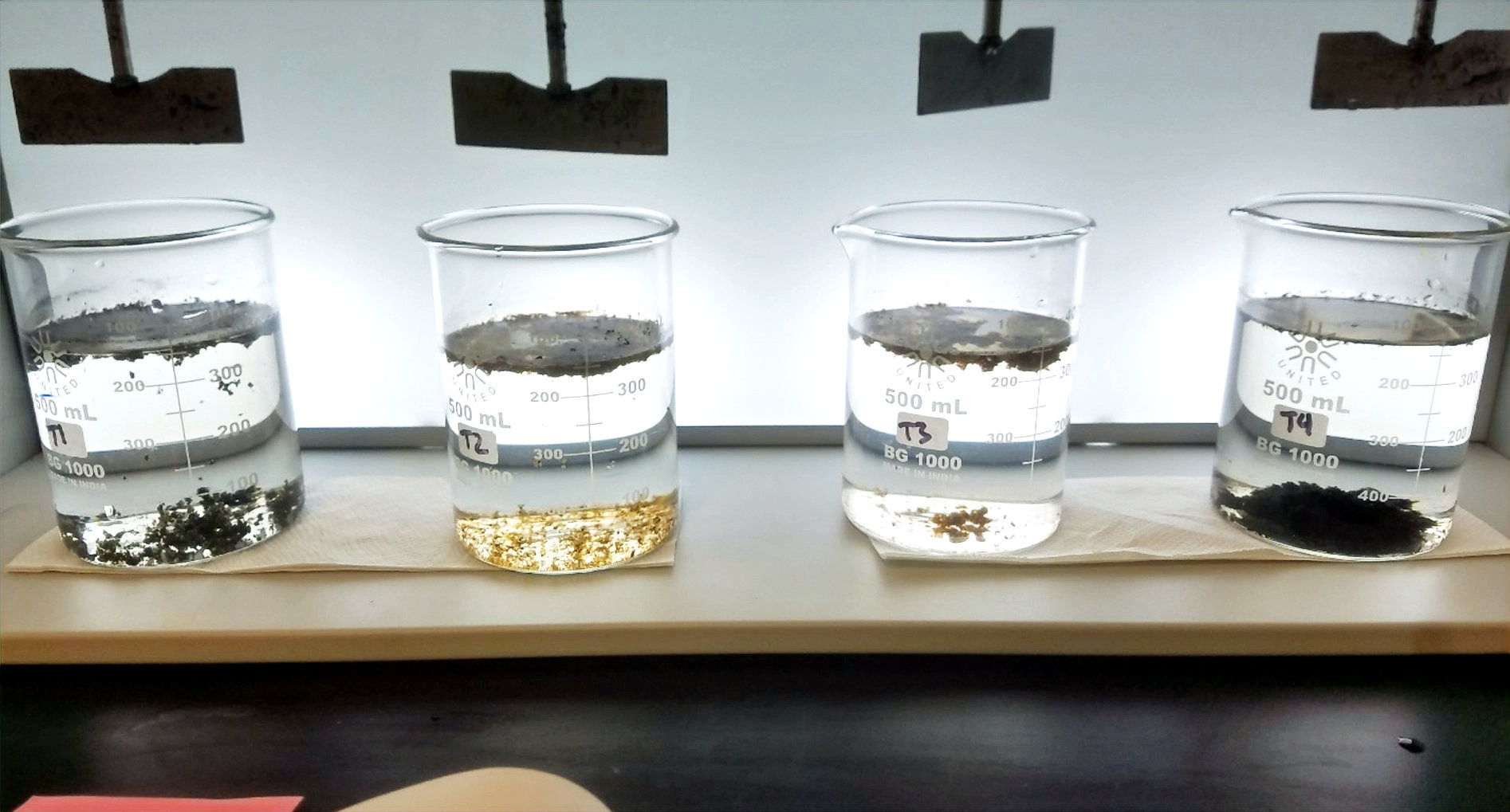
Agree sampling locations and conditions before collecting water. Compare an untreated control and proposed grades in contained tests using documented preparation and mixing. Observe settled solids, clarified water and the useful dose window. Record unsuccessful conditions so the purchase decision does not rest on the most attractive jar.
Include realistic separation time and sludge withdrawal in a subsequent authorised plant trial. A basin with insufficient storage or uncontrolled bypass cannot be made suitable simply by purchasing more polymer. Keep off-spec water contained while the cause is investigated.
Specify acceptance without a universal dose
Define the required water measurements, solids-handling result, dosing limits and stop conditions for the approved operation. Ask how the supplier will document a changed formulation or batch. Product data should support the environmental review, not replace it, and a quotation should not prescribe open-stream application.
Release the order in stages
Separate screening samples, controlled trial quantities and routine deliveries. State which evidence releases each stage and how rejected material is handled. Compare delivered price with preparation, monitoring and sludge costs. Retain the accepted feed envelope in the order file so a later storm with different ash or sediment does not silently inherit an approval it has never demonstrated.
Connect the offer to the operating evidence
Review Burn Scar Sediment Basin Polymer Checklist for the related field or process question. Include those conditions when requesting product information or a quotation, and agree the evidence required before releasing a routine order.