A sediment basin below a burn scar can change quickly during the first storms after fire. Fine ash, clay, charcoal, organic matter and mineral sediment may arrive together, creating water that settles slowly and loads pumps, screens and downstream channels. Polymer-assisted clarification can help, but it should be planned carefully.
Start With Source Notes
Record where the water came from, burn severity, rainfall timing, visible ash, turbidity, pH and conductivity. A basin fed by mineral erosion may respond differently from one receiving ash-rich organic water. One sample is rarely enough. First flush, mid-event and settled basin water should be checked separately.
For mineral-heavy water, anionic polyacrylamide may be a useful screening reference. For broader product questions, a polyacrylamide manufacturer can provide grade options, but field testing remains essential.
Screen Before Dosing
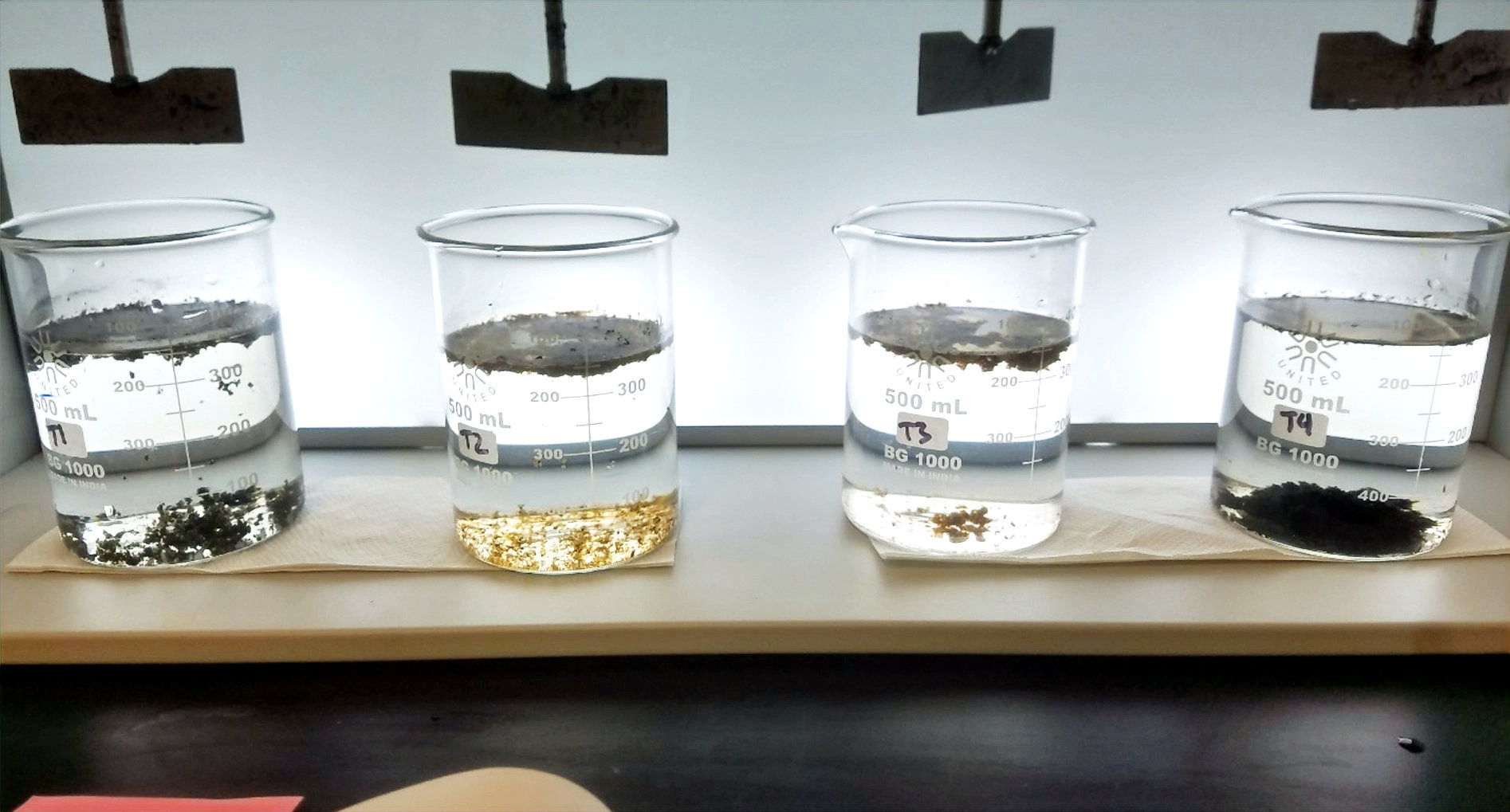
Jar testing should compare untreated settling, low polymer dose, normal dose and stress dose. Watch floc formation, settling rate, supernatant clarity, sludge volume and floc strength after gentle mixing. Do not choose a product only because it clears one jar quickly.
If the water contains mixed ash and mineral sediment, compare more than one charge type. A low-charge or nonionic polyacrylamide option may be worth testing in less charge-sensitive water.
Control The Application Point
Polymer needs mixing, but floc can be broken by turbulence. A basin inlet, baffled channel or controlled pipe section may work better than direct addition into chaotic flow. Overdose can create floating floc or slimy water, so field teams should increase dose slowly.
Connect Treatment To Erosion Control
Polymer is not a replacement for wattles, mulch, check dams, slope stabilisation or controlled drainage. It is a tool for water that already carries fine solids. The best basin programme combines source control with measured treatment.
Keep records after each storm. The next event will be easier if the team knows which sample, dose, mixing method and product gave stable results.
Related purchasing requirements
Use the operating evidence above when comparing these specific supply questions: