A drinking-water system affected by wildfire can face two separate problems: changed water entering the treatment plant and contamination or damage within the distribution network. Improving source-water sediment removal does not establish that damaged pipes and service connections are safe. Keep the two investigations separate enough that progress on one cannot conceal an unresolved problem in the other.
Identify the affected part of the system
Map the intake, treatment works, storage and distribution assets involved in the incident. Record pressure-loss areas and fire-damaged infrastructure through the utility's incident procedures. A downstream tap result needs that context; it should not automatically be attributed to ash arriving at the source.
EPA guidance on VOC contamination after wildfire addresses distribution-system concerns associated with fire damage and pressure loss. Sampling, interpretation and corrective work require the responsible utility and appropriate specialists. This is not a household flushing or pipe-repair procedure.
Do not use clarification as a clearance test
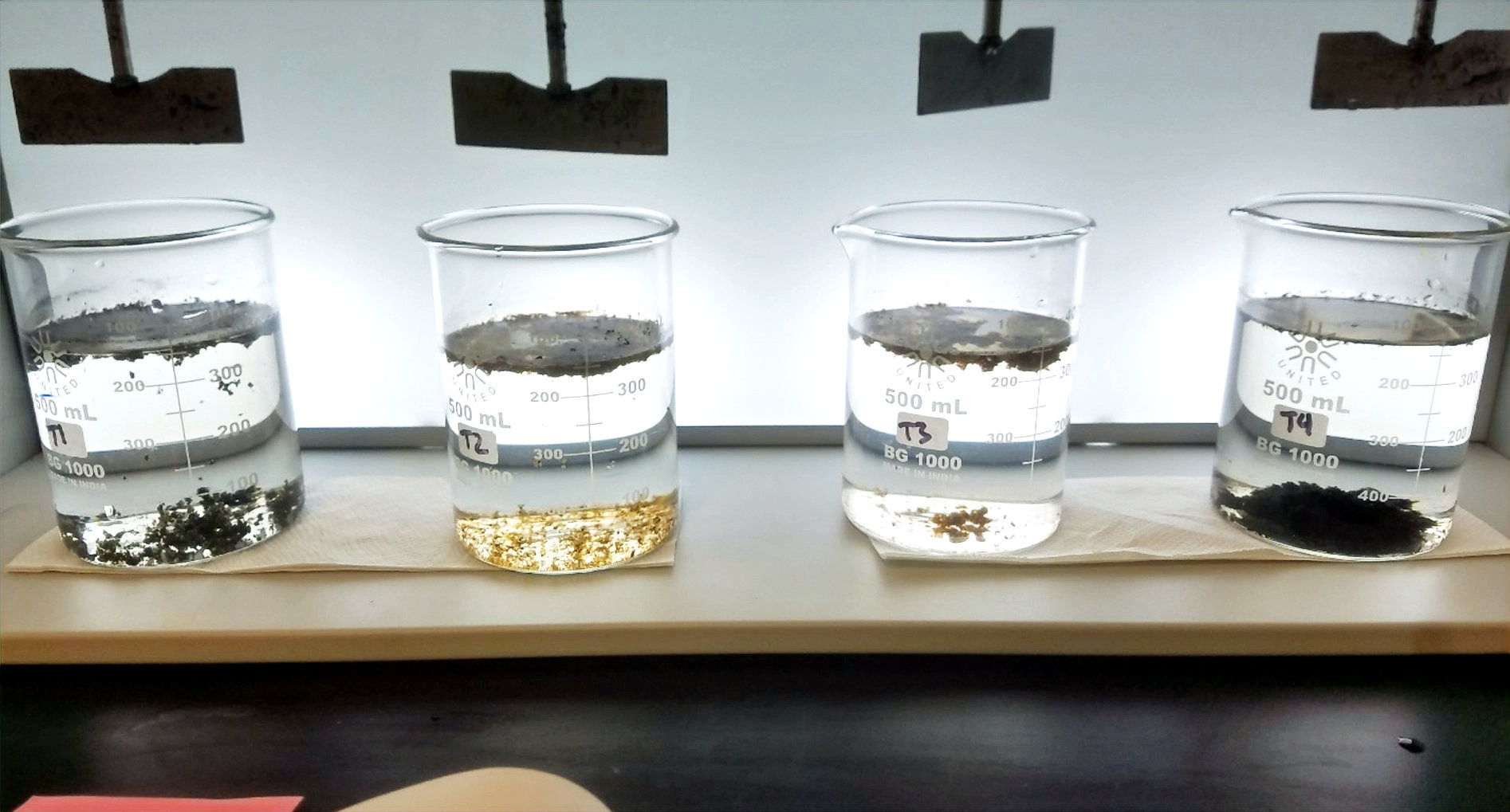
A jar test can demonstrate changes in suspended material under its test conditions. It cannot establish the absence of volatile organic compounds in a service line or verify that damaged infrastructure has been remediated. Likewise, a clear storage tank does not replace distribution sampling. Match every acceptance statement to the part of the system actually examined.
For source-water particle studies, suppliers such as Xinqi Polymer and PAM manufacturers can provide product information for qualified review. Their clarification products should not be described as a remedy for fire-damaged drinking-water pipes. The watershed record library concerns treatment and monitoring questions, not utility clearance authority.
Keep public instructions tied to the official notice
Households should follow the notice issued for their address, including any do-not-drink or do-not-use restriction. CDC emergency-water guidance explains that boiling or disinfection cannot make water containing harmful chemicals safe. Do not convert a chemical-contamination notice into an ordinary boil-water instruction or recommend an unverified household filter as a workaround.
Communications should distinguish what is known, what has been tested and what remains under investigation. Avoid declaring a neighbourhood restored simply because source-water turbidity improved. The utility needs a documented basis for changing restrictions that addresses the affected infrastructure and the relevant contaminants.
Maintain separate recovery milestones
Track source-treatment readiness, storage readiness and distribution clearance as separate milestones with named owners. Preserve analytical records and the location of samples used for each decision. The overall recovery is complete only when the responsible authorities have resolved the relevant system-wide and local conditions. That structure prevents a successful sediment-control operation from being mistaken for proof of safe water at every tap.