Post-fire sediment can become a treatment problem again after the first wet season, even where hillslopes appear greener. Material stored in channels, tributary fans or small impoundments may be remobilised by later events. Visible vegetation recovery is therefore not a complete basis for removing monitoring or assuming an intake will receive its pre-fire particle load.
Distinguish new erosion from stored material
Review previous storm observations and mapped deposits with the watershed specialists responsible for the area. A later sediment pulse may come from a different location than the first ash-rich runoff. That difference affects where monitoring is useful and whether a previous treatment sample still represents the incoming water.
A USGS study of post-fire sediment delivery documented elevated fine-sediment loads several years after one fire. That finding shows why delayed delivery deserves attention, not a universal recovery timetable for every catchment. Local geology, rainfall, fire effects and channel storage must guide the actual plan.
Revisit assumptions before seasonal storms
Check which monitoring points remain accessible and representative. Reassess equipment condition, communication and safe access without sending personnel into unstable channels. Review known deposited material upstream of assets with the appropriate geomorphic or engineering specialists. Do not excavate or disturb deposits merely to investigate them without the necessary permissions and risk assessment.
Confirm that treatment storage and solids-removal capacity have not been reduced by previous events. A basin may appear operational while retaining enough old sediment to have little remaining event capacity. Include inspection and any approved maintenance in the seasonal readiness plan, with a defined destination for removed material.
Retest when the incoming particle mix changes
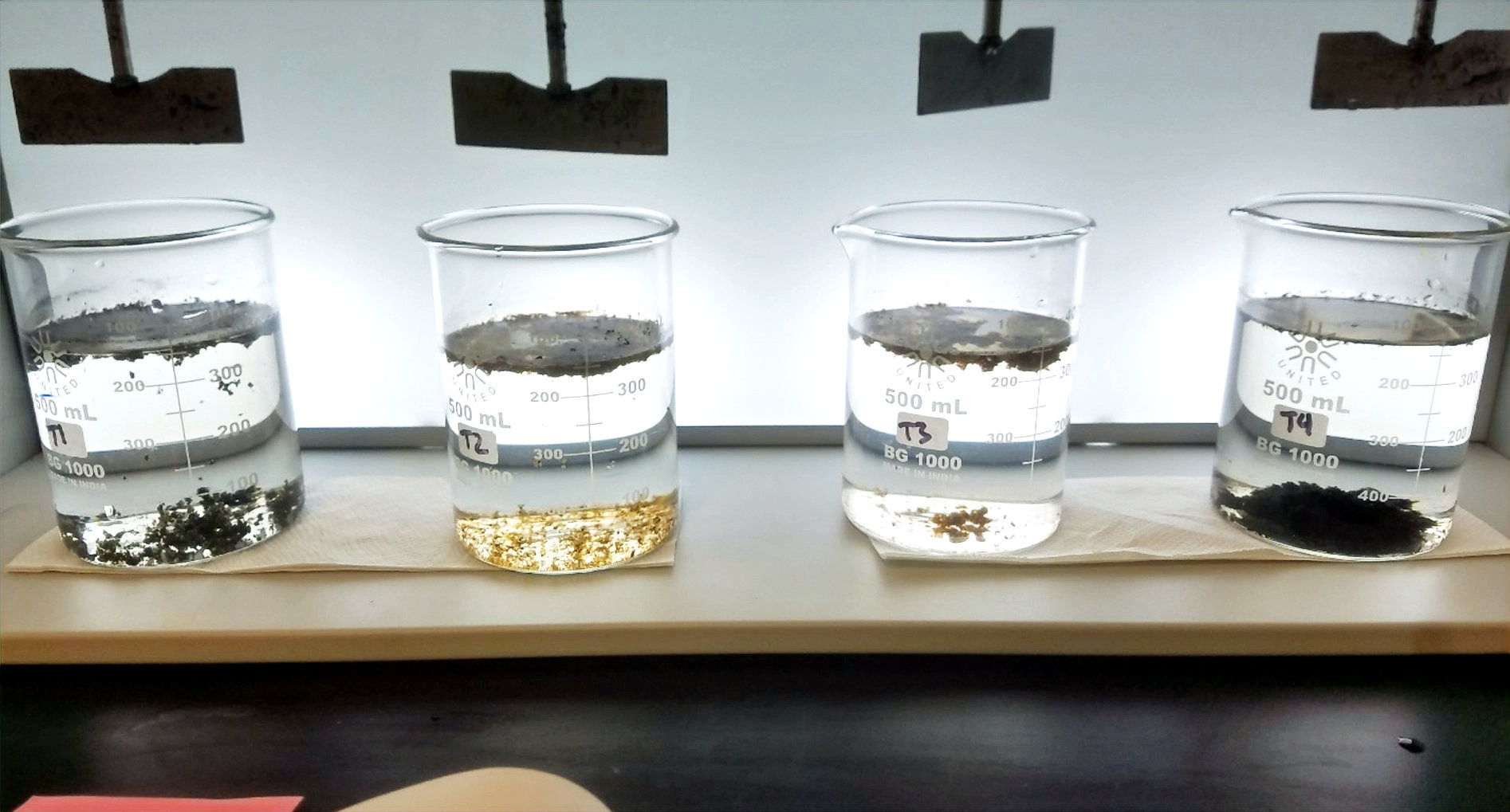
If the water is now dominated by remobilised mineral sediment rather than the earlier ash mixture, repeat the relevant contained treatability work. A sample request to Xinqi Polymer should describe that change. Mineral-water flocculant information may help candidate discussion, but previous product acceptance and environmental conditions must be reviewed for the current application.
Use the watershed articles to connect the new trial with existing monitoring and solids-handling records. Do not simply reuse a first-season dose because it once met the project's criteria. Preserve comparable untreated controls so the report can distinguish changed water from changed preparation or test technique.
Define evidence for reducing the response
Agree with the responsible team what observations justify scaling back enhanced monitoring or temporary treatment. Use representative event data and asset condition rather than the passage of a fixed number of months. Keep a route to reactivate controls if later storms produce renewed loading. Recovery planning is stronger when it recognises stored sediment and changing sources instead of assuming that every season must be easier than the last.
Related purchasing requirements
Use the operating evidence above when comparing these specific supply questions: