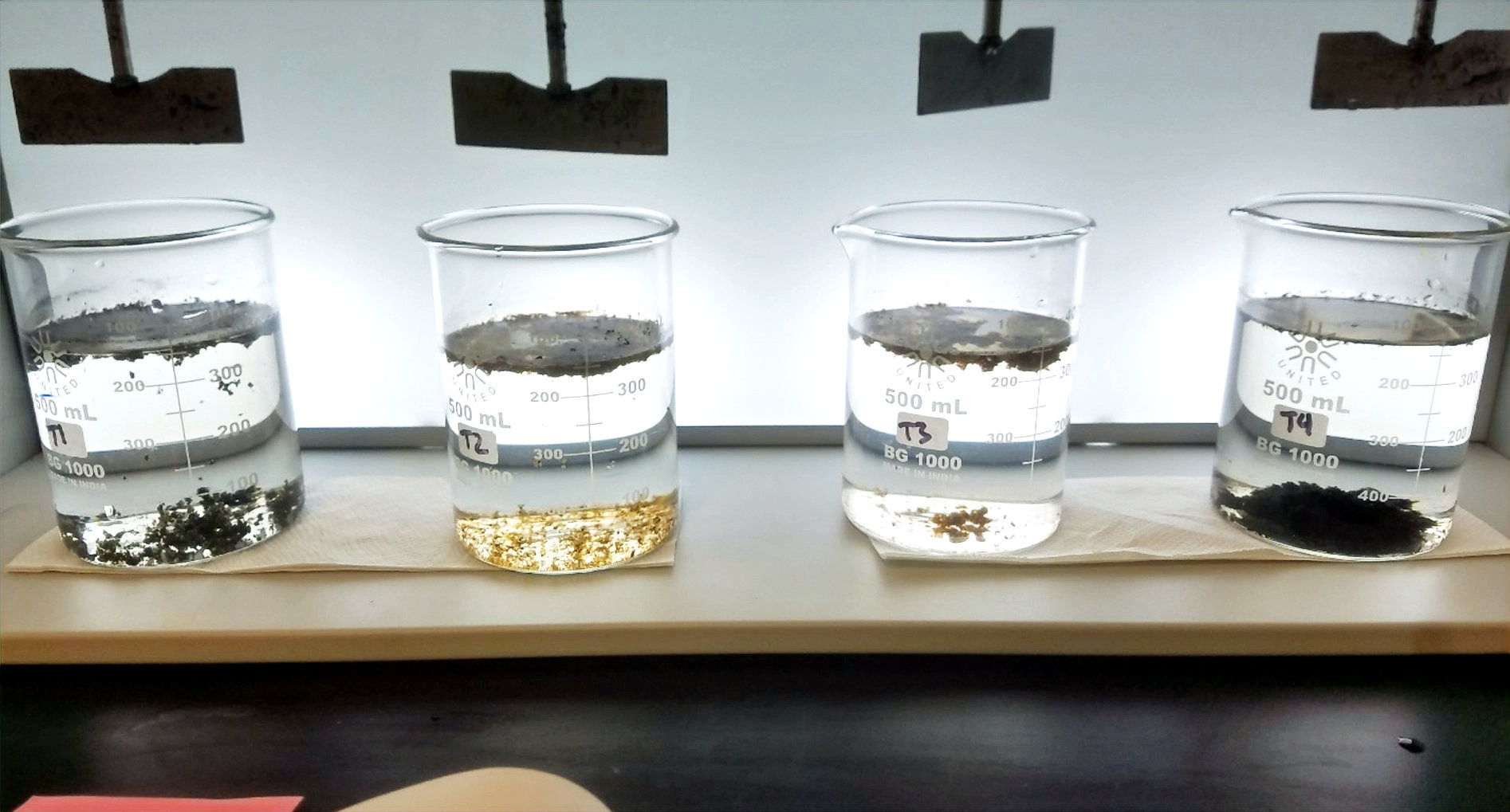
Post-fire conductivity and turbidity readings answer different questions. Turbidity responds to optical scattering in the sample, while conductivity reflects the water's ability to conduct electrical current. A runoff treatment system may reduce suspended particles without producing a comparable conductivity change. That result is not automatically a treatment failure, but neither does it establish that dissolved contaminants have been addressed.
Keep the measurements conceptually separate
The USGS specific-conductance guidance describes the measurement and its field use. Conductance is related to dissolved ionic composition and temperature; it does not identify an individual contaminant. A conversion to estimated dissolved solids requires assumptions and should not be treated as a direct laboratory measurement for every post-fire water mixture.
Record the instrument, units and temperature-compensation settings. A value reported in millisiemens is not directly comparable with one reported in microsiemens without conversion. Preserve the original reading and settings rather than transcribing an unexplained number into a field sheet.
Use paired observations to choose the next test
High turbidity with little conductivity change may indicate a particle-rich pulse with limited change in the bulk ionic signal. A conductivity rise with relatively clear water calls for investigation of dissolved chemistry and source mixing. These are hypotheses for directing sampling, not diagnostic rules that identify ash, sewage or a specific chemical from two meter readings.
Collect supporting laboratory samples under the relevant method and safety plan. Include an upstream or other suitable reference where feasible, and record event timing and flow conditions. Do not send field staff into unsafe channels to obtain a more convenient comparison point.
Set realistic expectations for particle treatment
If a contained trial uses products discussed with Xinqi Polymer, evaluate particle separation independently of dissolved-water concerns. An anionic polymer reference is not authorisation to apply chemicals to a stream. Product acceptance, environmental safeguards and any release conditions must be established by the responsible project specialists and authorities.
Use the site's watershed treatment records for the related tasks of turbidity quality assurance and residual monitoring. A reduction in one indicator cannot be substituted for the complete acceptance criteria. Keep untreated and treated samples paired so the report clearly shows what the tested process changed and what remained unmeasured.
Communicate the finding without a safety claim
A useful field summary states the measured change, instrument conditions and the follow-up required. Avoid labels such as clean or safe based only on clear appearance or a low conductivity reading. Drinking-water decisions belong to the responsible utility or health authority and the appropriate analytical evidence. The value of the two measurements is that they guide a better investigation when their limits remain visible.