field turbidity meter QA post fire runoff is a field-planning question, not permission to dose a stream during the contained trial. This guide addresses a recovery crew relying on portable turbidity data for sampling, treatment and release decisions. Ash, bubbles, scratched vials, dirty optics and readings above instrument range can create misleading results. Any response must sit inside incident-command procedures, landowner authority, discharge requirements, worker-safety controls, and protection of downstream habitat for the receiving water.
Define the Decision Before Sampling
State whether the team is deciding to monitor, divert, contain, settle, treat, or release water. Each decision needs different evidence during demobilisation. For this topic, a useful record includes calibration standards, range, vial condition, blank, duplicates, dilution protocol, sample mixing, time stamp and laboratory correlation. Add rainfall timing, sample location, chain of custody, photographs, and the name of the person who authorised the work at the monitored boundary.
Ash-rich runoff can change quickly across the rising limb, peak, and recession of a storm. A late grab sample may understate the solids pulse, while an unsafe first-flush location should never be entered merely to improve data coverage before an authorised release. Remote instruments, upstream controls, and pre-marked safe sampling points are often more valuable than an improvised response during heavy rain.
Separate Physical Control from Water Treatment
Keep clean water away from disturbed soil where possible for downstream protection. Use erosion cover, armoured conveyance, check structures, and contained basins to reduce the load before considering chemistry. Flocculation can improve the capture of fine suspended particles, but it cannot stabilise a slope, create basin capacity, remove every dissolved constituent, or make an unauthorised discharge acceptable during the contained trial.
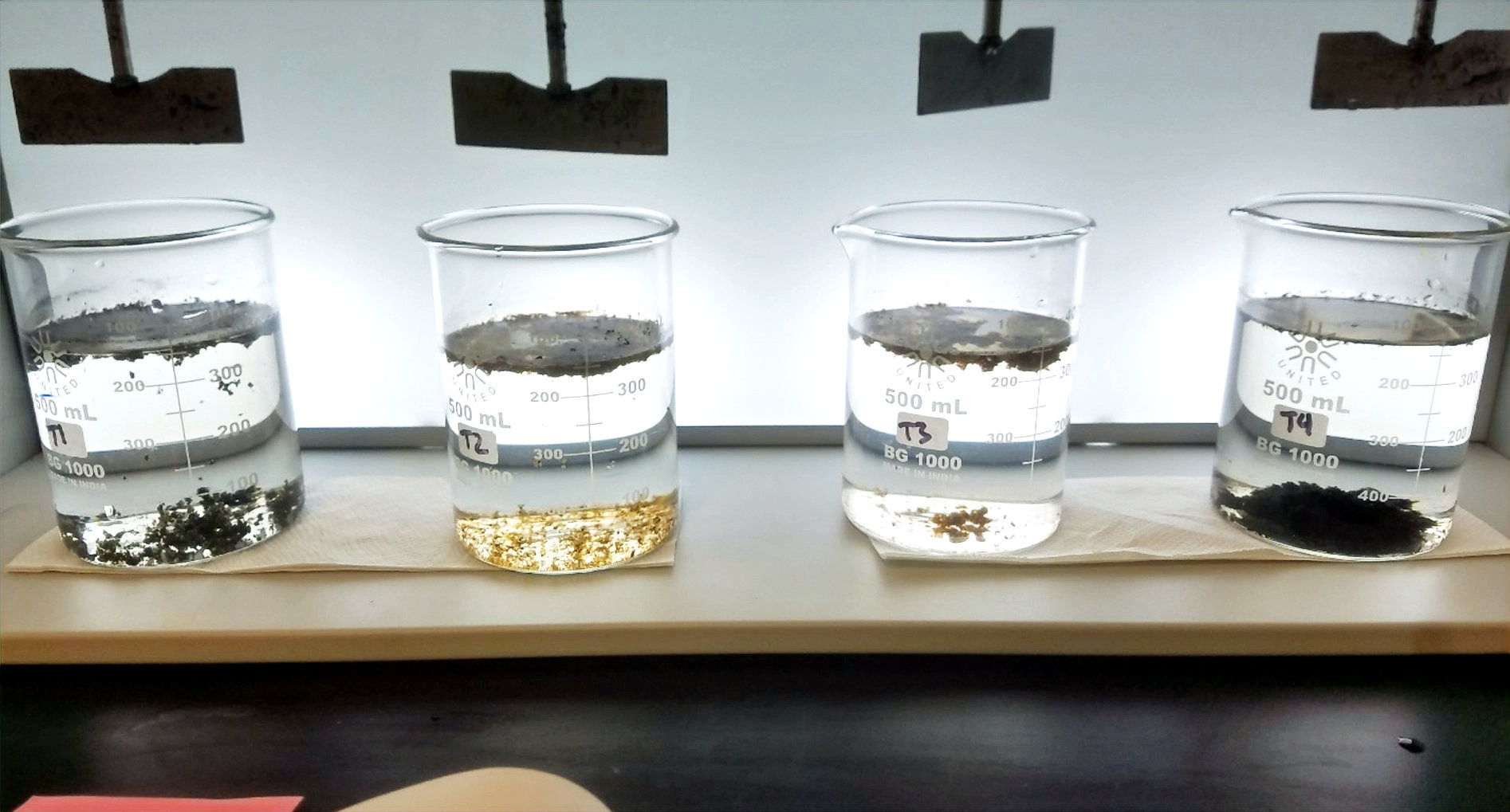
The problem described here—ash, bubbles, scratched vials, dirty optics and readings above instrument range can create misleading results—should be tested in representative water. Measure a blank first, then compare conservative treatment conditions in contained samples for the receiving water. Observe floc formation, settling time, supernatant turbidity, pH, sludge volume, and whether performance changes with ash concentration or salinity. Record failed conditions as carefully as successful ones during demobilisation.
Controls for a Contained Trial
A field trial needs calibrated flow measurement, a verified feed pump, secondary containment, an emergency stop, and enough storage to hold off-spec water. Product selection should be reviewed for the receiving environment and intended use at the monitored boundary. Do not extrapolate an agricultural erosion-control rate to direct surface-water treatment without site-specific professional and regulatory review.
The success criterion is a defensible field dataset with documented quality checks and limitations before an authorised release. Define the numeric or observable acceptance limits before starting, including a maximum dose, residual-control method where applicable, solids-management route, and conditions that trigger shutdown. Operational decisions require traceable measurements, not an unverified screen reading for downstream protection.
Monitoring During Changing Storm Conditions
Track the water upstream of treatment, after mixing, after settling, and at the authorised compliance point. Time-match samples with flow because a good result at low flow may not represent the storm peak during the contained trial. If the runoff source changes, repeat the screening; burned soil, channel sediment, ash, and organic debris do not necessarily respond to the same treatment window.
Quality assurance matters for the receiving water. During the safety briefing, protect standards and sample vials from ash, document dilutions, run duplicates, and note readings above the instrument range. Laboratory confirmation is appropriate when field measurements control a release decision or when dissolved constituents may remain after visible solids settle during demobilisation.
Solids and Demobilisation
For incident documentation, treatment transfers material from water into sludge. Plan access, dewatering, sampling, transport, and disposal before the basin fills at the monitored boundary. For downstream protection, ash-rich sediment may concentrate metals or other constituents, so it should not be assumed to be ordinary soil. Restore temporary equipment, remove residual product, and preserve monitoring records for the next storm review before an authorised release.
During sample custody, technical background on professional flocculants is available from Xinqi Polymer, with related treatment references at anionic polyacrylamide and polyacrylamide supplier information. Product information does not replace the site plan, qualified environmental judgement, or permit conditions for downstream protection.
Operational Takeaway
For field turbidity meter QA post fire runoff, the defensible sequence is hazard review, representative sampling, physical containment, controlled treatability work, monitored operation, and planned solids handling. That sequence supports a defensible field dataset with documented quality checks and limitations without presenting polymer as a universal or consequence-free remedy during the contained trial.