Application boundary: Polymer references here concern contained, professionally reviewed trials. Cationic products require particular aquatic-risk review and are not a recommendation for dosing natural streams. Product suitability, residual control and the receiving environment must be assessed before field use.
Wildfire changes the behaviour of a watershed long before the first storm arrives. Vegetation cover is reduced, litter layers are damaged, soils can become water repellent, and fine ash becomes available for transport. When rainfall finally reaches a burn scar, the resulting runoff may carry a difficult mixture of clay, silt, charcoal, ash, nutrients, and natural organic matter. For a reservoir operator, mine-water manager, municipal treatment team, or emergency response contractor, the first question is rarely theoretical. The question is simple: can the water be clarified quickly enough to protect storage capacity, pumps, screens, reuse systems, and downstream receiving water?
Flocculation is one of the useful tools in that discussion, but it must be treated as a field program rather than a single chemical purchase. A burned catchment can produce water that changes from hour to hour. The first flush may be dark, alkaline, and ash-rich. Later flow may be more mineral, with heavier silt and less floating carbon. A polymer that performs well in one sample may be too strong, too weak, or poorly matched in the next. This is why a post-fire runoff program should start with sampling, bench screening, and controlled observation instead of direct full-scale dosing.
The historical WildFIRE PIRE archive is valuable because it shows how fire history, climate, vegetation, and landscape response are connected. For treatment professionals, the same logic applies at a smaller operational scale. A runoff basin, sediment pond, construction diversion, or plant equalization tank is part of a landscape system. When the source changes, the treatment plan must change with it. A practical response begins by mapping where the water came from, how recently the area burned, whether erosion-control measures are installed, and whether the flow contains mostly mineral fines, organic ash, or a changing blend of both.
For mineral-heavy runoff, anionic flocculants are often evaluated because many fine particles respond to high molecular weight bridging. A site team can compare a proven anionic polyacrylamide reference with local water samples, but the polymer should never be selected by name alone. Charge density, molecular weight, make-down quality, water hardness, pH, mixing energy, and solids concentration all affect the result. A reliable polyacrylamide manufacturer can provide product options, but the field result still depends on jar testing and practical site control.
Build the sampling plan first
The most common mistake is collecting one attractive sample and treating it as representative. Post-fire runoff is not stable enough for that. A better sampling plan includes the first flush, mid-event water, post-peak water, and ponded water after settling. If the site has multiple inflows, each inflow should be sampled separately before samples are composited. Field notes should record rainfall intensity, visible ash, turbidity, pH, conductivity, temperature, odour, and any upstream erosion-control work.
Samples should be tested quickly because ash-rich water can change after standing. Fine particles may settle, organic material may float, and pH can drift. If testing is delayed, the sample should be mixed consistently before each jar test. Operators should avoid violent shaking that creates unrealistic shear, but they also should avoid testing only the settled top layer. The goal is not to make the sample look better. The goal is to understand the water that the process will actually receive.
Match polymer screening to the water
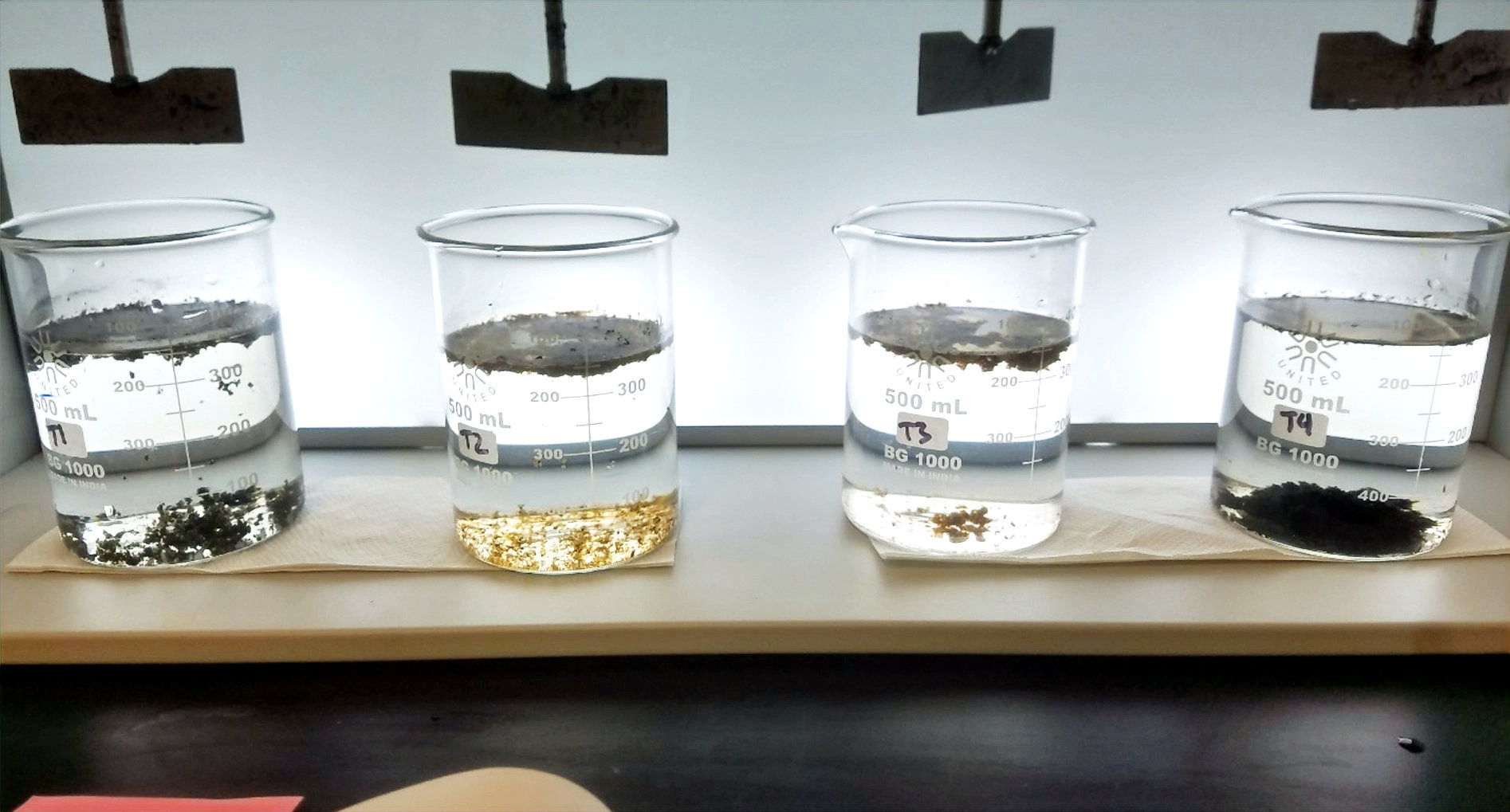
A useful screening set starts broad and then narrows. For a burn-scar runoff sample, the first round may include one or two anionic products, one nonionic or very low charge product, and in organic-rich water one cationic option at a cautious dose. The test should compare untreated settling, coagulant-only response if coagulants are used, polymer-only response, and combined programs where appropriate.
The best result is not always the clearest jar after five minutes. Field teams should observe initial floc formation, floc size, shear resistance, settling rate, supernatant clarity, sludge volume, and whether the settled solids compact or remain loose. In a sediment pond, a very fast but fragile floc may fail when water enters with high turbulence. In a treatment plant, a slower but denser floc may be easier to separate. For less charge-sensitive water, a low-charge product from a nonionic polyacrylamide guide may be worth comparing before assuming that high charge is necessary.
Control mixing before increasing dose
When a jar does not clarify, many operators increase the dose too quickly. In post-fire runoff, poor results are often caused by mixing error rather than insufficient polymer. Dry polymer must be properly aged, diluted, and introduced where it can contact solids without being destroyed by shear. Overmixing can break bridges after floc forms. Undermixing can leave untreated pockets. A good trial records both the dose and the mixing method, because the same dose can perform differently when injected into a calm channel, a turbulent pipe, or a baffled tank.
Practical field dosing should begin below the best jar-test dose and increase carefully. Overdosing can create slimy water, floating floc, poor filtration, and carryover. In natural waterways, polymer use also has regulatory and environmental constraints. The product form, residual monomer specification, toxicity profile, and application method must match local requirements. A technical conversation with a polyacrylamide supplier is useful, but it should be supported by the site's own water data.
Connect treatment to watershed recovery
Flocculation is not a substitute for erosion control. It is a response tool for water already carrying fine solids. The best results usually come from pairing source control with treatment control: wattles, mulch, check dams, sediment basins, controlled drainage, careful pumping, and tested polymer use. Internal links such as the archive's Western US research and science plan help show the landscape side of the problem; the treatment program translates that landscape problem into a controlled operating plan.
Post-fire water work improves when teams stop thinking of polymer as a shortcut and start treating it as one part of a measured response. The correct product, dose, and injection point are discovered through evidence. Good records from each storm event then become the foundation for the next event, which is exactly how a difficult emergency becomes a manageable field program.
Related purchasing requirements
Use the operating evidence above when comparing these specific supply questions: