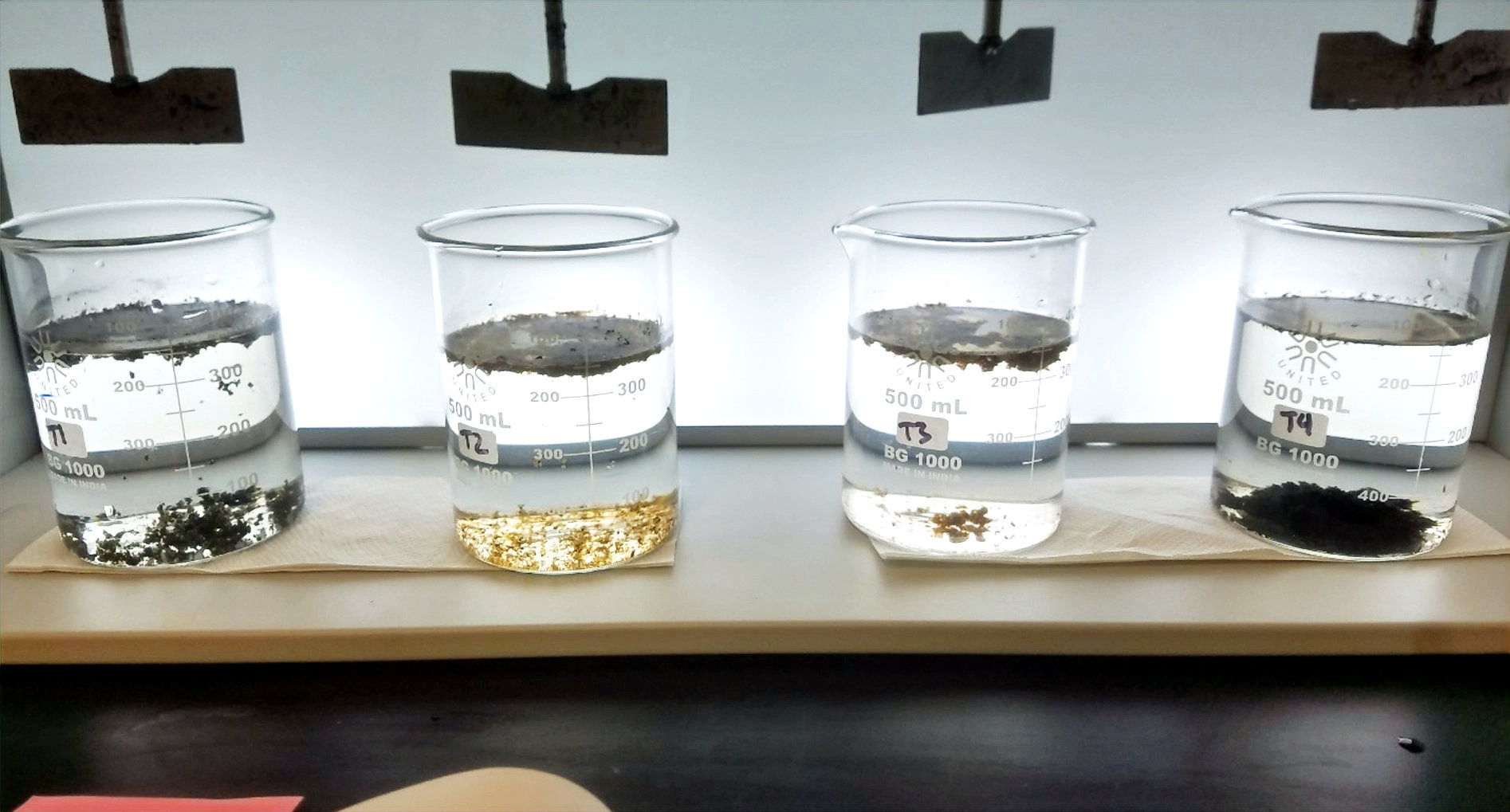
Application boundary: Polymer references here concern contained, professionally reviewed trials. Cationic products require particular aquatic-risk review and are not a recommendation for dosing natural streams. Product suitability, residual control and the receiving environment must be assessed before field use.
Burned catchments recover unevenly. Some slopes begin to stabilize quickly as vegetation returns, while other areas continue to release sediment for multiple seasons. Storm intensity, soil type, burn severity, road drainage, channel condition, and emergency stabilization work all affect runoff quality. For water-treatment teams, this means the treatment plan cannot be fixed on the day the fire ends. It must be reviewed as the watershed changes.
This checklist is written for operators, consultants, and site managers who need to connect field observations with temporary treatment decisions. It does not replace engineering design or regulatory approval, but it helps teams ask better questions before choosing a flocculant, building a sediment basin, or mobilizing dewatering equipment. The central idea is simple: water treatment performs better when it is tied to the source conditions that created the water.
1. Define the water source
Start by identifying exactly where the water comes from. Is it direct runoff from a high-severity burn scar, drainage from a road cut, water collected in a sediment pond, reservoir water affected by an upstream fire, wash water from cleanup operations, or discharge from an industrial site that received ash? Each source has different solids, organic matter, flow pattern, and risk.
Map the inflows if there is more than one. A basin that receives water from a burned hillside, a paved yard, and a clean diversion channel should not be treated as one uniform source. Sample each stream separately before blending. Internal archive pages such as research in New Zealand and research in the Western US illustrate how regional fire settings differ; the same principle applies to individual site inflows.
2. Record visible watershed condition
Treatment records should include more than turbidity. Note whether slopes are mulched, whether rills or gullies are forming, whether channels are clogged with debris, whether ash is floating, and whether recent storms changed the colour or odour of the water. A photograph taken from the same location after each storm can be surprisingly useful. Over time, the operator can see whether the water is becoming more mineral, more organic, or less variable.
The recovery stage matters for polymer selection. Early runoff may contain ash and organic debris; later runoff may be dominated by mineral fines. A broad product comparison from a polyacrylamide manufacturer can help build the screening set, but the product that fits first-flush water may not fit later-season sediment. Re-testing is not a sign of failure. It is a normal response to changing watershed chemistry.
3. Screen treatment options by solids type
If the water is mostly mineral sediment, begin with anionic and low-charge products. If the water contains more organic sludge, include cationic dewatering products in a separate test. If the chemistry is uncertain, compare several charge types at modest doses. For mineral clarification, field teams often review anionic polyacrylamide and broader polyacrylamide manufacturers before narrowing the list. For neutral or less charge-sensitive streams, nonionic polyacrylamide may deserve a bench test.
Do not skip the untreated control. Do not choose a polymer because it makes the largest floc. Choose the program that gives reliable water clarity, manageable sludge, low carryover, and a dose that can be controlled under field conditions. If a product only works when mixed gently for twenty minutes but the site has a short turbulent pipe, it is not the right product for that installation.
4. Check hydraulic conditions
Before increasing chemical dose, check whether the water has enough time and space to separate. Short-circuiting, high inlet velocity, poor baffles, and accumulated sludge can all defeat flocculation. A well-selected polymer cannot overcome a basin that immediately sends treated water to the outlet. Hydraulic improvements are often cheaper and safer than overdosing.
For temporary systems, consider staged treatment. A first basin can settle heavy grit and debris. A second stage can receive polymer and form floc. A final calm zone can polish the water before discharge or reuse. This staged thinking is especially helpful after wildfire because water quality can change rapidly during storm events.
5. Plan for solids handling
Every clarification plan creates solids. Burned-catchment solids may include ash, char, soil, vegetation fragments, and contaminants from damaged infrastructure. Decide early how sludge will be removed, thickened, tested, and disposed of. If a geotextile tube, drying bed, filter press, or roll-off box is required, run dewatering tests before the site is overwhelmed with wet solids.
For ash-laden sludge, a China polyacrylamide factory reference may help compare manufacturing capability and product families, but the site should still run equipment-specific trials. Dewatering is practical work: feed solids, polymer make-down, pump shear, drainage media, and cake handling determine success.
6. Keep a storm-by-storm treatment log
The best treatment program becomes better after each event. Record rainfall, flow estimate, sample appearance, pH, turbidity, polymer type, dose, mixing method, settling time, sludge observations, and discharge result. When a later storm behaves differently, the team can compare it with a documented history rather than starting from guesswork.
The WildFIRE PIRE science plan treated fire, climate, and ecosystem response as connected evidence. A burned-catchment water-treatment program should do the same at operational scale. The checklist turns that idea into daily practice: observe the watershed, test the water, choose the treatment carefully, and revise the plan when the landscape changes.