Application boundary: Polymer references here concern contained, professionally reviewed trials. Cationic products require particular aquatic-risk review and are not a recommendation for dosing natural streams. Product suitability, residual control and the receiving environment must be assessed before field use.
Clarifying post-fire runoff solves one problem and creates another: sludge. Sediment, ash, charcoal, organic material and treatment residuals concentrate somewhere. If that material is not planned for, a successful clarification programme can still overwhelm basins, geotextile bags, presses or hauling budgets.
Estimate Solids Early
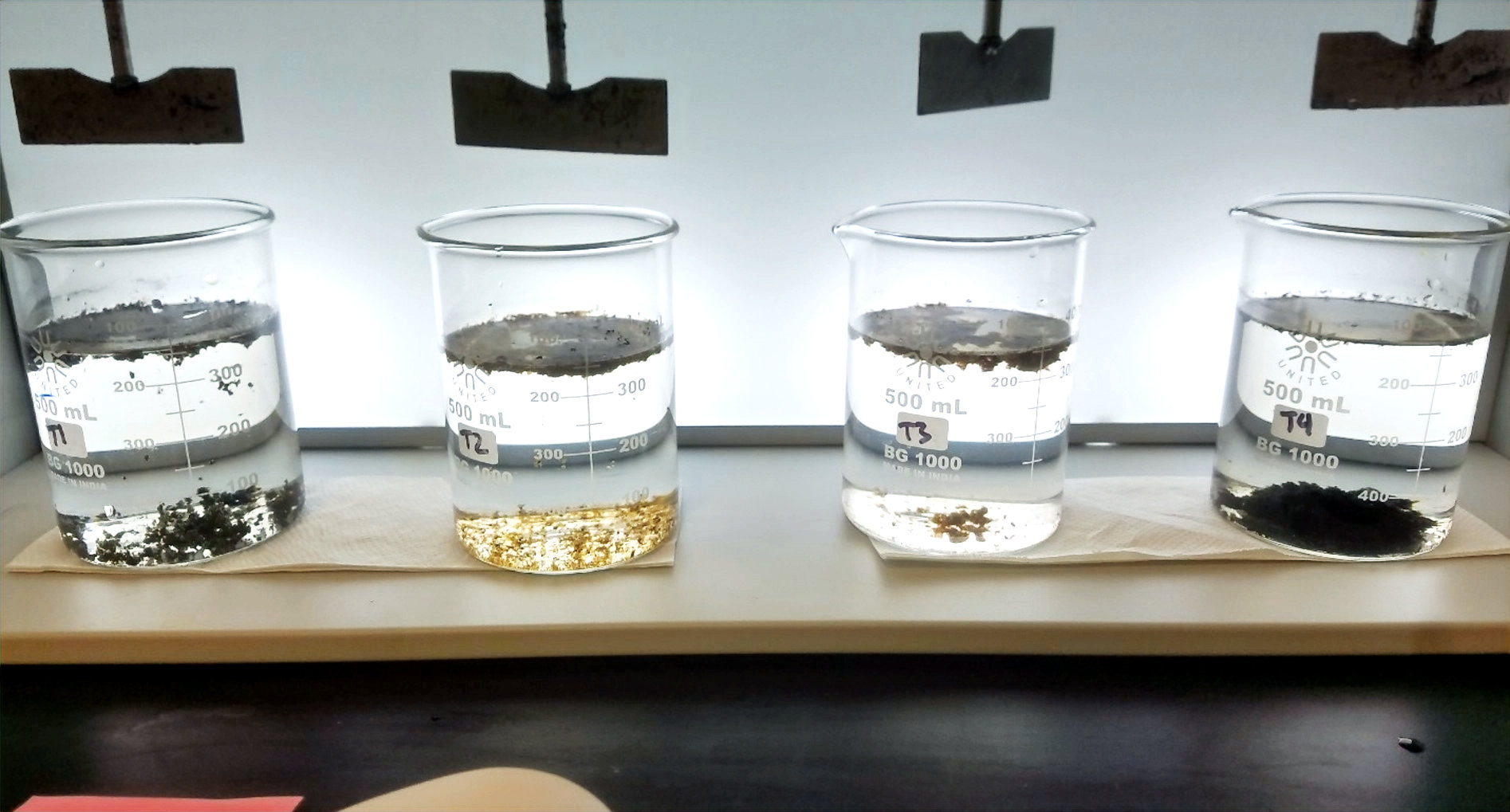
Before dosing, estimate suspended solids and expected sludge volume. A water sample that looks only moderately turbid can produce surprising settled solids after polymer treatment. Record sludge volume during jar tests, not only water clarity.
Choose Polymer With Sludge In Mind
A product that clears water quickly may create loose, hard-to-handle sludge. Another product may settle slightly slower but form denser solids. For ash and mineral mixtures, compare several grades. Cationic products may be relevant for organic-rich sludge, while anionic polyacrylamide may fit mineral sediment. Use Xinqi Polymer for broader product discussion and documentation.
Dewatering And Disposal
Sludge may be settled, pumped, bagged, dried or mechanically dewatered depending on scale. If mechanical dewatering is used, cationic polyacrylamide may need separate testing for the concentrated sludge even if an anionic product was used in clarification.
Keep Records
Track water volume, polymer dose, sludge volume, dewatering behaviour and disposal route. These records help plan the next storm and show that treatment was managed responsibly.
Water clarity is only half the job. The solids must be handled with the same care as the water.