Runoff PAM supply bids should be evaluated within a qualified flow envelope. A grade may separate solids well at a modest laboratory rate while the temporary plant lacks enough mixing, preparation or retention capacity during a larger inflow. Product price cannot resolve a mismatch between the proposed chemical programme and the physical treatment system.
Describe the system at both ends of its range
Provide the anticipated flow range, how it is measured and the available contained storage. Include preparation capacity, pump turndown and the separation stage. Low flow can be as important as high flow when a dosing system cannot reduce chemical input sufficiently or when water movement stops unexpectedly.
Discuss candidate products with Xinqi Polymer using these operating details. A relevant anionic PAM range helps frame screening, but no product family label establishes a safe or effective field dose across all flows.
Keep dose and capacity separate
State chemical input units and distinguish commercial product from prepared solution. Evaluate whether the preparation equipment can sustain the proposed demand without compromising maturation or dilution instructions. Do not increase solution concentration outside the qualified recipe simply to match a peak flow that exceeds the system's capacity.
Assess mixing and separation time under the representative operating conditions. A dose-response result should not be transferred to a basin with different hydraulic behaviour without review. Preserve the ability to contain off-spec water and stop the treatment operation when its limits are exceeded.
Request a staged demonstration
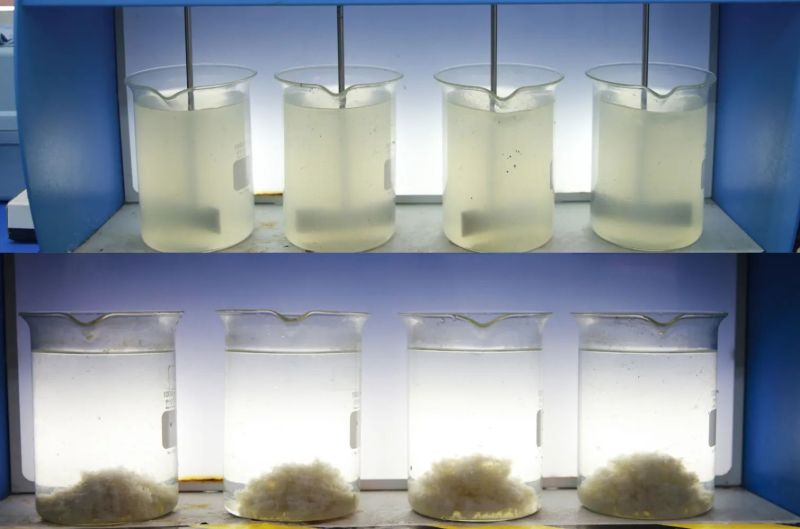
Use controlled tests and an authorised pilot to establish performance over the intended range. Record flow, feed changes, preparation, product consumption and both water and solids outcomes. Label excursions instead of averaging them into an apparently acceptable result. The evidence should show what the system can maintain, not only the best brief interval.
Put the envelope into the supply decision
Attach the demonstrated conditions, monitoring responsibilities and shutdown criteria to the order record. Compare equipment additions and operator attendance separately from chemical cost. If the incoming runoff exceeds the qualified range, the response is a managed operational decision, not an automatic instruction to add more polymer. Require reassessment when storage, separation equipment or the feed source changes.
Connect the offer to the operating evidence
Review Temporary Sediment Basin Residence Time After Wildfire Storms for the related field or process question. Include those conditions when requesting product information or a quotation, and agree the evidence required before releasing a routine order.