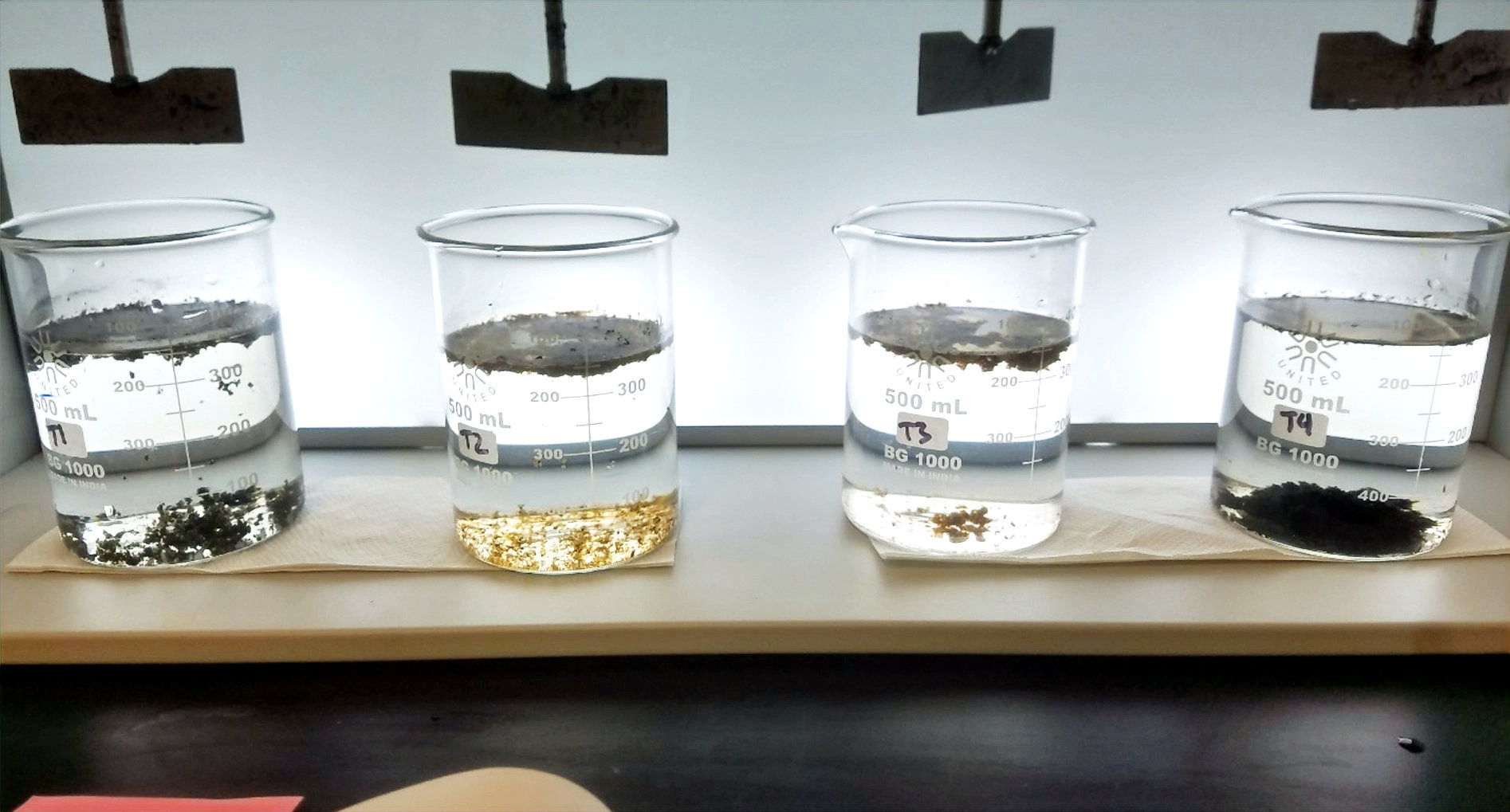
Ash-rich runoff is difficult because it is not simply muddy water. It may contain fine mineral sediment, charcoal fragments, dissolved organic matter, nutrients, elevated pH and particles that float before they settle. A jar test must therefore observe more than final clarity.
Collect Representative Samples
Collect water from the active flow, not only the calm edge. If several inflows enter a basin, test them separately before blending. Note rainfall stage, burn severity, visible ash, odour, pH, conductivity and temperature. Mix the sample consistently before each jar so the solids load is comparable.
Build A Dose Range
Start with a blank jar. Then test low, medium and higher doses. If a coagulant is used, test coagulant-only and coagulant-plus-polymer. Ash-rich water can be sensitive, and overdose may look worse than underdose.
Field teams can compare products from a water treatment polymer product range and include anionic polyacrylamide where mineral fines dominate. In some mixed organic waters, a polyacrylamide supplier may recommend a broader screening set.
Watch The Whole Sequence
Observe dispersion, first floc, settling, floating material, final clarity and sludge volume. A jar that clears rapidly but creates loose floating floc may not work in a basin. A slower jar that forms dense settled solids may be better for controlled removal.
Translate Carefully To The Field
The field application must match mixing energy and contact time. If the jar test used gentle stirring, direct injection into a turbulent pump may fail. If the jar needed strong mixing, a quiet basin corner may not distribute polymer.
The best procedure ends with a treatment window and a caution: retest when runoff changes. Burned watersheds rarely produce the same water twice.