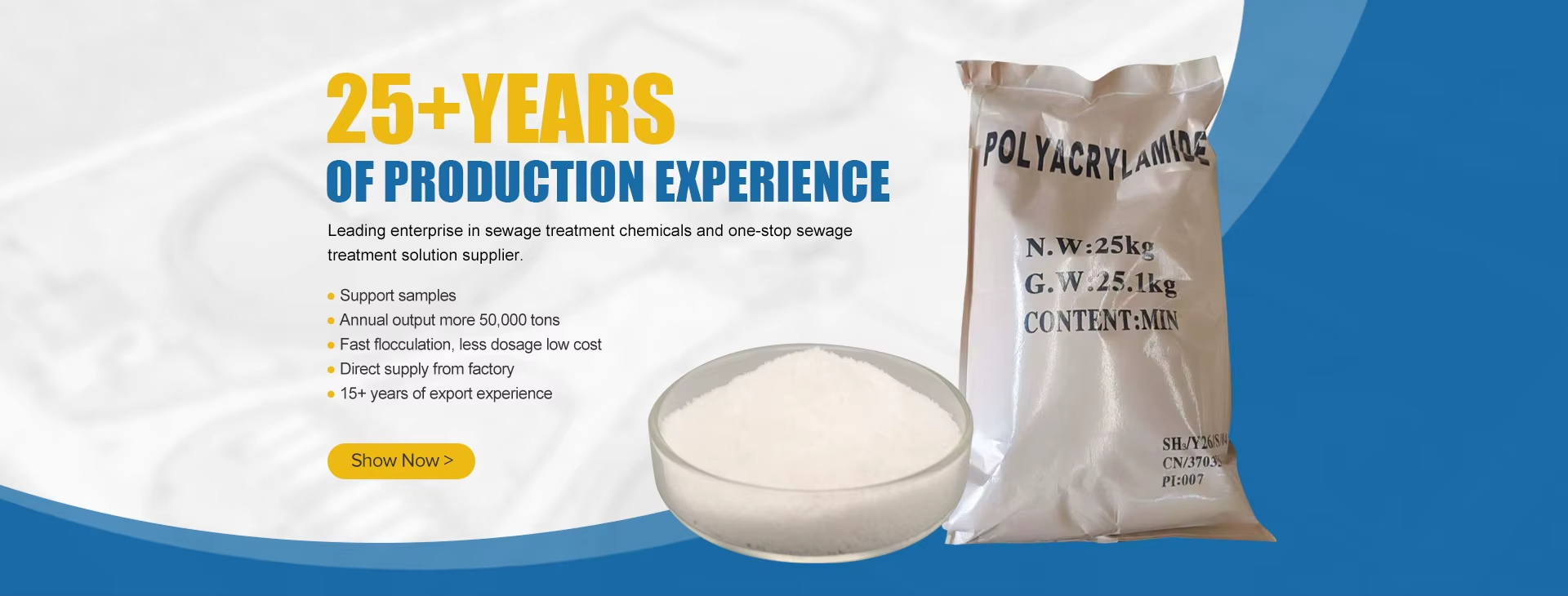
Disposing of Ash-Rich Sediment After Polymer-Assisted Treatment
Practical guidance on disposing of ash-rich sediment after polymer-assisted treatment, including checks, decisions, and next steps for post-fire watershed...
Research archive
Restored project pages with added context on post-fire runoff, sediment movement, field sampling, and practical water-quality response.
Practical guidance on disposing of ash-rich sediment after polymer-assisted treatment, including checks, decisions, and next steps for post-fire watershed...
Practical guidance on field turbidity meter qa for post-fire runoff monitoring, including checks, decisions, and next steps for post-fire watershed runoff...
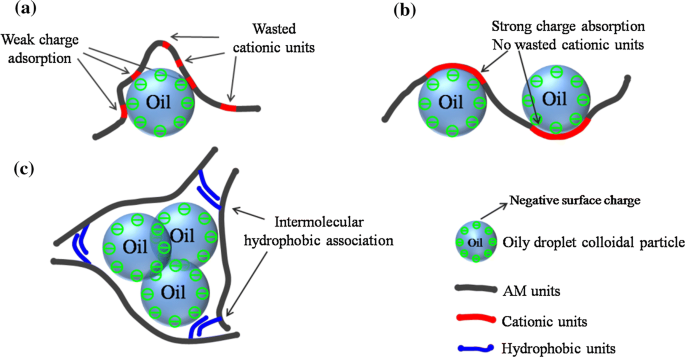
Practical guidance on polymer residual monitoring after post-fire runoff treatment, including checks, decisions, and next steps for post-fire watershed...
Practical guidance on wildfire ash and dissolved organic carbon: treatment planning for source water, including checks, decisions, and next steps for...
Practical guidance on wildfire first-flush runoff sampling: where and when to collect, including checks, decisions, and next steps for post-fire watershed...
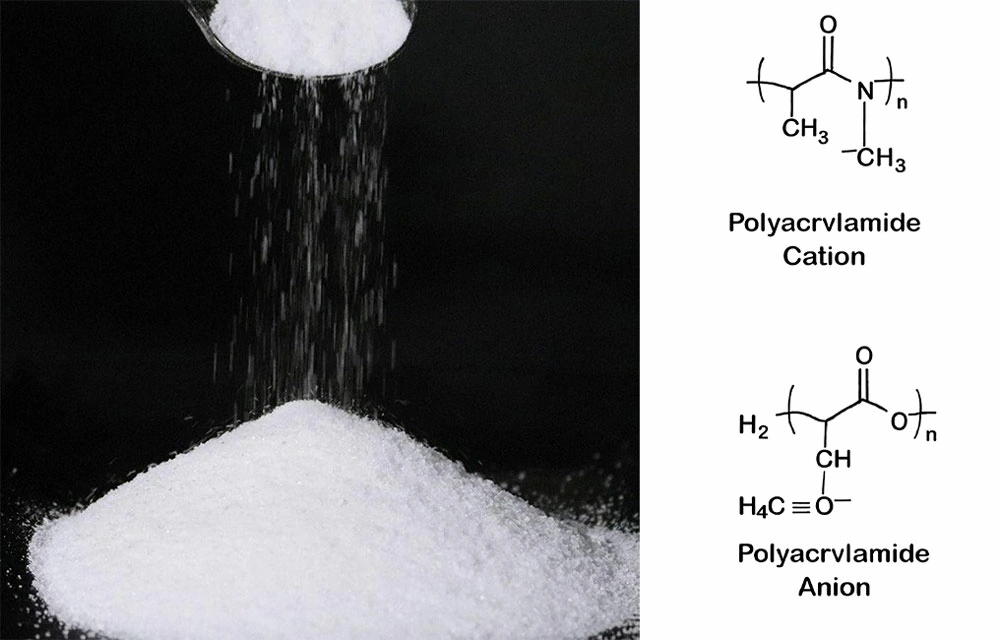
Practical guidance on how rainfall intensity changes burn-scar runoff turbidity, including checks, decisions, and next steps for post-fire watershed runoff...
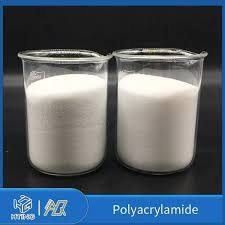
Practical guidance on post-fire debris basin water treatment before controlled release, including checks, decisions, and next steps for post-fire watershed...
Practical guidance on post-fire roadside ditch sediment treatment before stream entry, including checks, decisions, and next steps for post-fire watershed...
Practical guidance on post-fire stormwater sampling kit for field crews, including checks, decisions, and next steps for post-fire watershed runoff and...
Practical guidance on reservoir turnover after wildfire: turbidity and treatment planning, including checks, decisions, and next steps for post-fire...
Practical guidance on straw wattles, check dams, and polymer-assisted sediment capture, including checks, decisions, and next steps for post-fire watershed...
Practical guidance on temporary flocculant dosing logs for emergency runoff treatment, including checks, decisions, and next steps for post-fire watershed...
Practical guidance on ash-laden runoff sludge dewatering after emergency treatment, including checks, decisions, and next steps for post-fire watershed...
Practical guidance on community water intake shutdown criteria after wildfire storms, including checks, decisions, and next steps for post-fire watershed...
Practical guidance on post-burn soil hydrophobicity and sediment treatment decisions, including checks, decisions, and next steps for post-fire watershed...
Practical guidance on post-fire culvert sediment control and flocculation planning, including checks, decisions, and next steps for post-fire watershed...
Practical guidance on wildfire runoff treatment before temporary storage tanks, including checks, decisions, and next steps for post-fire watershed runoff...
Practical guidance on ash runoff turbidity monitoring for watershed recovery teams, including checks, decisions, and next steps for post-fire watershed...
Practical guidance on burn scar sediment sampling plan before flocculant selection, including checks, decisions, and next steps for post-fire watershed...
Practical guidance on polymer use near sensitive streams after wildfire: risk controls, including checks, decisions, and next steps for post-fire watershed...
Practical guidance on post-fire drinking water source protection after heavy rain, including checks, decisions, and next steps for post-fire watershed...
Practical guidance on temporary sediment basin residence time after wildfire storms, including checks, decisions, and next steps for post-fire watershed...
Practical guidance on burned watershed check dam sediment and flocculation planning, including checks, decisions, and next steps for post-fire watershed...
Practical guidance on emergency mobile treatment for post-fire runoff, including checks, decisions, and next steps for post-fire watershed runoff and...
Practical guidance on post-fire reservoir turbidity treatment after first flush events, including checks, decisions, and next steps for post-fire watershed...
Practical guidance on sediment pond cleanout planning after polymer-assisted settling, including checks, decisions, and next steps for post-fire watershed...
Practical guidance on wildfire ash water ph and polymer screening notes, including checks, decisions, and next steps for post-fire watershed runoff and...
A practical jar test procedure for ash-rich post-fire runoff, including sampling, mixing, dose range and interpretation.
A field checklist for sediment basin teams considering polymer-assisted clarification after wildfire runoff events.
How source erosion control and polymer-assisted flocculation can support each other in post-fire watershed recovery.
Procurement notes for teams buying polymer products and support services for post-fire runoff, sediment ponds and emergency water treatment.
A practical article on handling sludge generated by post-fire runoff clarification, including polymer selection, dewatering and disposal planning.
A practical field guide for using flocculation thinking after wildfire runoff events, with emphasis on sediment, ash, polymer selection, and controlled jar testing.
A detailed article on where anionic polyacrylamide can help with post-wildfire mineral sediment, and where site conditions require a different treatment approach.
A long-form operator guide for jar testing ash-laden runoff and selecting PAM flocculants for post-fire water clarification.
How cleanup wash water, ash, silt, and organic debris affect sludge dewatering decisions after wildfire response work.
A practical checklist for linking burned watershed recovery observations with temporary water treatment, flocculation, and sediment management decisions.
Contact the WildFIRE PIRE project team for inquiries about wildfire research, data access, collaborations, or educational opportunities.
Meet the international team of scientists behind the NSF-funded WildFIRE PIRE project, including principal investigators and collaborators from the United States, Australia, New Zealand, and Argentina.
List of peer-reviewed publications from the NSF-funded WildFIRE PIRE project on wildfire history, climate-fire interactions, and paleoecology across four continents.
WildFIRE PIRE research in Australia focuses on Tasmania, examining fire-vegetation-soil feedbacks, long-term fire history using tree rings and lake sediments, and future fire scenarios under climate change.
WildFIRE PIRE research in New Zealand examines long-term fire history, vegetation-fire-soil interactions, and future fire scenarios in temperate rainforests and subalpine zones.
WildFIRE PIRE research in Patagonia examines long-term fire history, climate-fire-vegetation interactions, and future wildfire scenarios in the Patagonian Andes and steppe ecosystems.
WildFIRE PIRE research in the Western United States focuses on the Greater Yellowstone Ecosystem and Colorado Rockies to study long-term fire history, climate-fire-human interactions, and future wildfire scenarios.
The official Science Plan for the NSF-funded WildFIRE PIRE project detailing research objectives, methods, study regions, and expected outcomes for understanding wildfire in the past, present, and future.
Watch videos from the NSF-funded WildFIRE PIRE project featuring scientists explaining wildfire history, climate change impacts, and international research across four continents.
NSF-funded international research project studying the causes and consequences of wildfire in the past, present, and future across the Western United States, Australia, New Zealand, and Patagonia.
Interpret conductivity and turbidity together after wildfire without treating either reading as a contaminant identification or a drinking-water safety test.
Wildfire-Damaged Pipes: Why Source-Water Treatment Is Not EnoughDistinguish ash-affected source water from wildfire damage inside a drinking-water distribution system, and route each problem to the correct response team.
Post-Fire Sediment Returns in the Second Wet SeasonPlan for stored sediment to move again after wildfire by reviewing later storms, channel deposits and treatment capacity instead of relying on surface regrowth.
Post-Fire Runoff Treatment During a Power FailureReview power-loss containment, chemical-feed shutdown, alarm independence and safe restart for temporary post-fire runoff treatment equipment.
Post-Fire Treatment Samples: Build a Traceable Chain of CustodyKeep post-fire treatment samples traceable with unique IDs, paired locations, method-specific preservation and documented laboratory handover.
Contact us for Polyacrylamide Solutions
WhatsApp: +86 199 3767 3999 Email: xinqi@xinqipolymer.com Call: +86 199 3767 3999 Visit Official Website: www.xinqipolymer.com